





Introduction
There seems to be no let up on the number of Chinese electric SUVs arriving in Europe and beyond. A new one for me recently was this, the Aion V. Produced by Chinese manufacturer GAC, the Aion V (as in Vee) does, on face value at least, look like another by-numbers exercise aimed at attracting family-focused buyers with a keen eye for value. It’s undeniably practical with interior space being a highlight, but there’s also a premium feel and a range that hovers around the 300-mile mark.
Unfortunately for the Aion V, there is stiff competition. The excellent Renault Scenic is one of my fave alternatives, closely followed by the Skoda Elroq. Chinese-built options are also plentiful, with perhaps the BYD Atto 3 Evo being something to consider if you’re looking for similar levels of tech and what not. There’s also the quite good Leapmotor B10 or the Changan Deepal 07 for that matter. Alternatively, a Kia EV5 is better for similar money. These examples are just the tip of the SUV iceberg.
Weighing up the options isn’t going to take long, mind, as the Aion V comes as just one model with a 201bhp electric motor. It’s possible to boost the appeal by adding in a trim pack option, which I’ll touch on below and pushed the price to £38,815 in the UK (American car shoppers are, as ever, out of luck with anything even remotely Chinese under the current Administration).
Even in standard form, though, the Aion V comes with lots of great features and functions and the overall fit and finish felt impressive to me. Mention the name, though, and few are familiar with the brand so it’s certainly exclusive, for now at least.
The styling

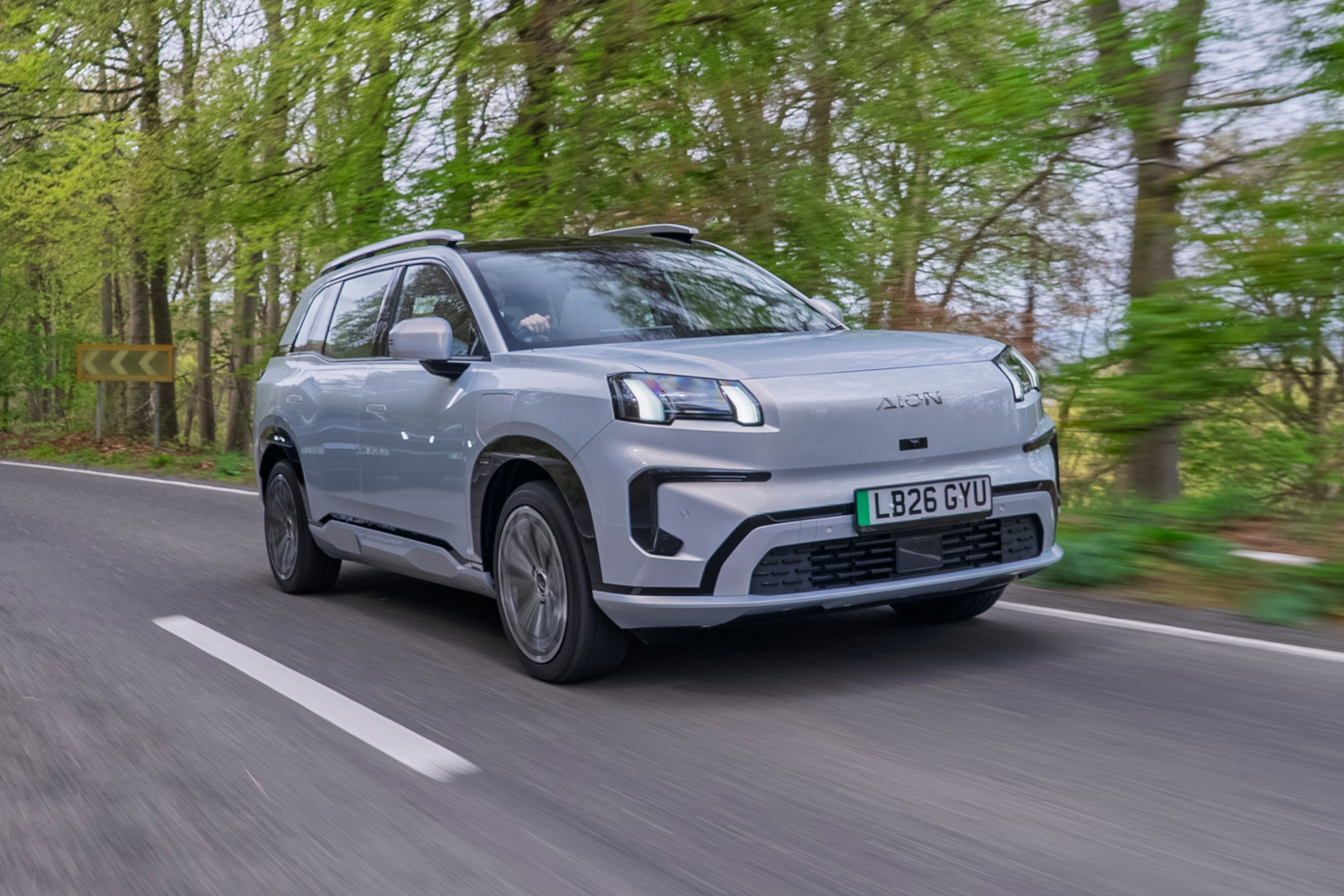
I still can’t make my mind up about the look of the Aion V. Taking an initial tour around the car, it packs plenty of SUV traits, with a high-riding angular body shape that looks purposeful enough. While the 19in alloys were quite a nice design, I thought they looked a bit small inside the wheel arches and, viewed from some angles, the Aion V didn’t look quite on the money.
The biggest problem though, is that the design is fairly innocuous, which to be fair isn’t an issue confined to just the Aion brand. Like many rivals, it simply looks ‘alright’. Viewed from the front, the Aion V is an amalgam of all those other electric SUVs on our roads. That’s not to say I didn’t like it though, and the overall look is presentable enough with neat curved headlights that segue delicately into the bonnet line.
From the side, the chunky bodywork is balanced out quite nicely by some glossy black plastic components and the trim flourishes on the back pillar of my example added a bit of pizazz. The rear end is another curious blend of angles, but I was impressed with the levels of glass on this car, which made driving it a very light and airy experience.
My Aion V test car came fitted with the Premium Pack, which included holographic paint and rather fetching French Cream leather seats. I was pleased to be able to try out the very versatile massage in the font seats as a result. Aion also includes a tray table for the rear left passenger as part of this upgrade, though I’d have thought a matching pair would have made more sense. Oh well.
Considering how generous the space levels are across the seating area, the boot space of the Aion V was slightly less impressive. It has 427 litres as standard, but some seat down action can push that up to 1638 litres, but there are other models that offer more. My test car also featured roof rails, which were standard I believe, and these have a load capacity of 75kg that could offer a supplementary storage route when packing for the summer holidays.
The drive

The Aion V has a single motor, front-wheel drive powertrain setup and, with a weight of 1,880kg, one of the first things I noticed was how easy it was to spin the wheels. Leaving a gravel-covered car park and only cautiously pressing the accelerator, the front wheels were surprisingly keen to start scrabbling away. I noticed this when moving away from the lights at junctions too. In the wet, that effect was even more pronounced. I didn’t think it was a major issue, but more of a foible that I got used to the more I drove the car.
Aside from that though, I thought the Aion V offered up a very decent driving experience. It’s just over 4.6 metres long, 1.8 metres wide and 1.6 metres high so is a sizable thing but didn’t actually feel that large when I was behind the wheel. I liked the level of visibility I got from the windows pretty much all the way around, boosted by a lovely panoramic roof, with the rear view being ably assisted by a good quality 360-dgeree camera. Meanwhile, the angular door mirrors were practical too.
The Aion V doesn’t require much effort to pilot either, with a drive selector that’s mounted on the steering column. This is also one of those electric SUVs that is seemingly ready to go once you unlock it and get in. The simplicity of this arrangement is useful although I’m always happier to have an old-school on/off button where possible. Inevitably, this smart tech approach also means all of the drive settings, including Comfort, Sport and Eco drive modes, must be changed via the infotainment screen but, luckily, I rather liked the Aion V in its default drive settings.
The technology

I’d say the levels of tech found within the Aion V are as good as any close rivals from the Chinese side of things. Thankfully, the graphics were good here too, with both the 8.8in LCD instrument panel and the 14.6in central touchscreen all being clear and easily legible, even in bright conditions. The main screen can be changed between light and dark themes too, for added appeal. Crucially, I found it much easier to read driver information on the instrument screen than on some other models, so that was a definite plus.
A minor point: although I spent a while picking through every menu in the refreshingly eager and very responsive touchscreen, I thought it was a bit weird there wasn’t much information on available range. In fact, the only way I could tell was from the small bar and percentage details on the instrument panel. The section inside the infotainment menu showed a graphic of the powertrain, but no obvious percentage quote was displayed. Aion has an app that might be the better route in future, I think.
Elsewhere, all of the usual tech expectations were met, with wireless Apple CarPlay and Android Auto, wireless phone charging, USB A and C ports, DAB digital radio, four-zone voice control, Vehicle-to-Load (V2L) and a reasonable bespoke sat nav system. The Aion V experience can also be boosted thanks to its Wi-Fi hotspot capability and the aforementioned app, which delivers additional user features not found within the infotainment system. One other neat touch was the warm/cold fridge-style unit fitted under the back end of the central console.
Aion V verdict
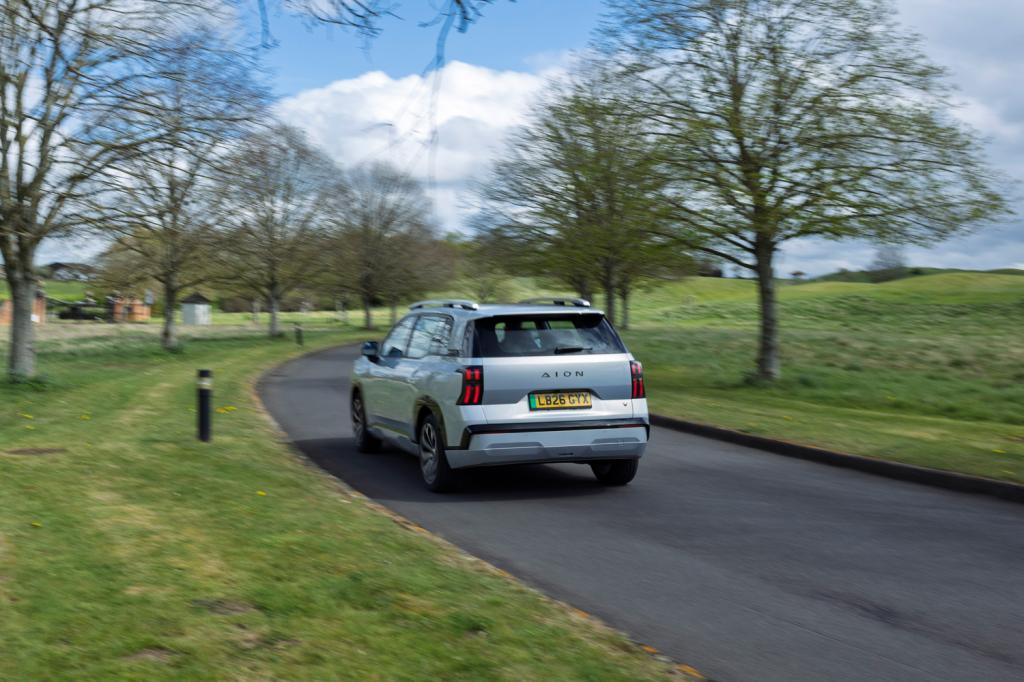
I still think something like the Renault Scenic has a lot more going for it than the Aion V, thanks to better range, nicer drive appeal and similarly excellent levels of kit. However, the Aion V did grow on me and while its rather faceless persona takes the edge of proceedings, I did like the way the Aion designers had done their best to zing it up with the Premium Pack.
Standard issue Vs are rather less showy, but fine for anyone who would be sweating bullets as their kids climbed all over the delicious white leather of my test car. Overall, then, the Aion V is a respectable starting point with more models to follow I hear.
Aion V technical specifications
| Powertrain | Permanent magnet electric motor |
| Battery | 75kWh |
| Power | 204bhp |
| Torque | 177lb ft |
| 0-60mph | 7.9sec |
| Top speed | 99mph |
| Range | 317 miles |
| Charge rate | 180kW |
| Cargo volume | 427 litres |