


Summary
- Fat CECHA PS3s with hardware PS1/PS2 backwards compatibility are now collector gold as PS3 stores close.
- Some Frankenstein PS3s mix Fat shells with Slim guts; check the serial/model for 40NM to confirm.
- Back up games, keep discs and consoles cool/dry; digital-only future risks losing purchases and classics.
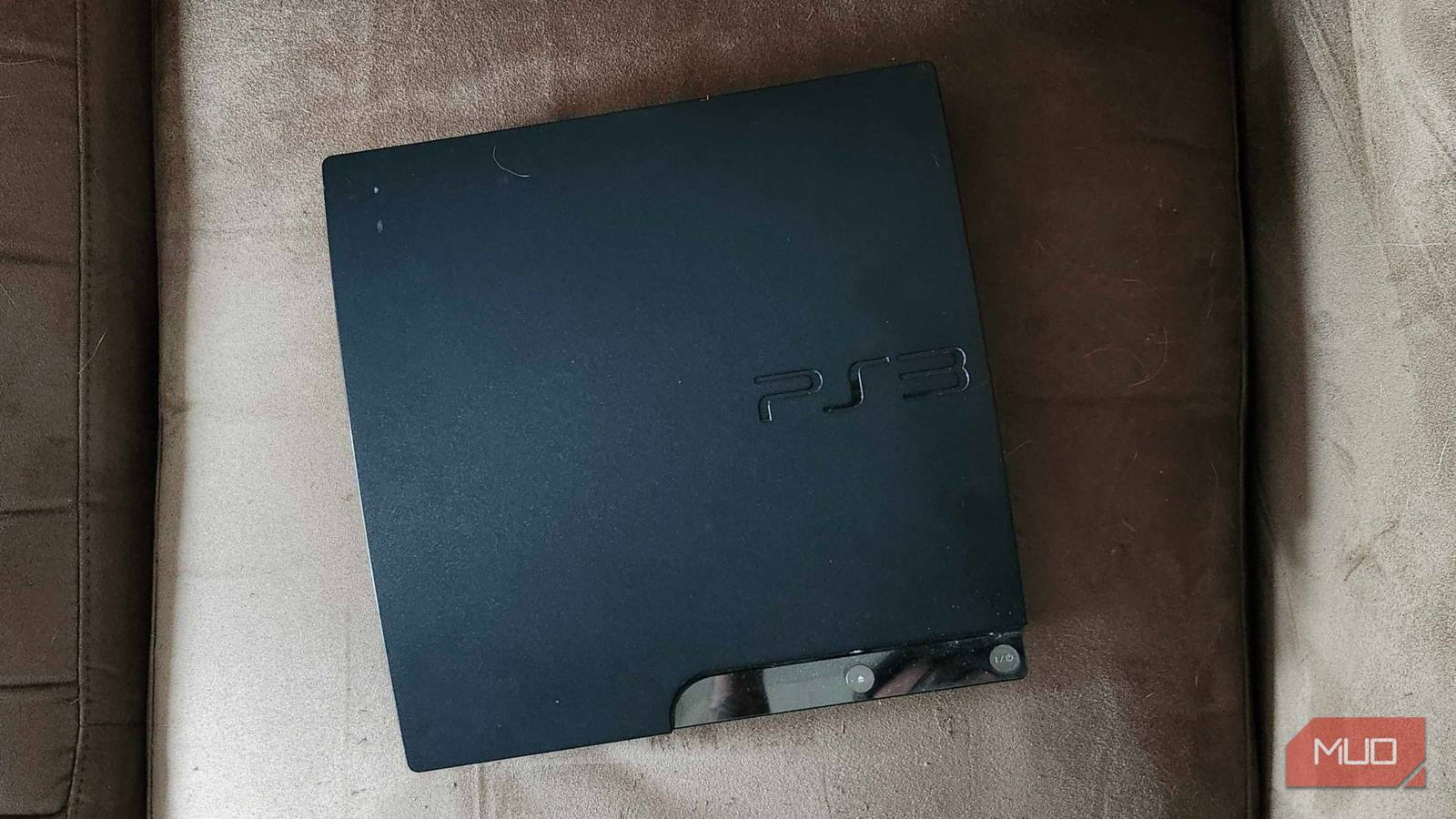
The PlayStation 3 changed the game when it dropped in 2006. It brought us Blu-ray, a beefy Cell processor, and built-in Wi-Fi. For gaming fans and preservationists, it was especially momentous; the earliest PS3 models—especially the iconic “Fat” CECHA launch units—offered true hardware-level backwards compatibility with both PS1 and PS2 games, meaning a single machine could access almost every PlayStation game released up to that point.
With the recent news that Sony is officially closing PS3 digital stores, those backwards-compatible Fat PS3s are gold — you could have the Holy Grail of retro gaming sitting in your house and not even know it.
GitHub dunks on PlayStation’s digital-only plans in the best way possible
GitHub’s offline backup plan for public repos sparks nostalgia and a sense of ownership in the digital age.
You might not even know you’ve got a Frankenstein PS3.
Here’s how to spot one.
Sony needed replacements for early PS3s that kept dying, so they mashed up Fat cases with newer Slim guts, in a model fans call ‘Frankensteins’. Collectors only caught on years later, spotting weird part numbers and super tough consoles. These had the nearly unbreakable 40 nm RSX chip from the Slim, so you got flawless PS1 and PS2 playback without any of the overheating issues the PS3 faced.
If you want to see if you’ve got a Frankenstein PS3, check the serial number on the back of the console. If you spot a “40” in the RSX chip or model code—like “CECHAxx 40NM”—you’ve got a hybrid!
It comes as PlayStation faces one of its biggest controversies in years
The PlayStation 6 will reportedly launch without a physical disc drive
PlayStation just tweeted that physical discs are done in 2028, probably when the PS6 drops and the PS3 store closes. That means even less backwards compatibility, so playing PS1, PS2, or PS3 games on new hardware will be almost impossible.
Think about what happens with a digital-only console. Twenty years from now, if you want to replay a PS6 game and the store is gone (as happened last week with the PS3 and Vita), you’re out of luck. You can’t grab it at a secondhand shop or find it on eBay.
For game preservation, this is a nightmare. Not only could classic games vanish, but even stuff you bought legally could be gone if your console dies, or you lose your account. With Sony pushing streaming and subscriptions, actually owning and playing your old games is getting rarer by the day.
For fans, the dream of playing every PlayStation game on one device is slipping away. Tons of cool, weird, or cult-classic games never got re-released or put online. Once the hardware dies or stores shut down, those games could just disappear.
How to keep your collection safe for the long haul
Here are some tips to help out.
If you’re a physical media fan, you should keep your consoles cool, dry, and out of the sun. A cupboard is ideal, with cable holes for plugging in.
It seems obvious, but it goes without saying: back up your digital stuff to an external drive and keep extra copies of anything important. Save your install files, patches, and firmware updates. Label your discs and store them in real cases.
Do all this, and your favorite games and memories should stick around for years to come.