



OLED is the display technology my obsessive eyes can’t get enough of. I bought my first “Organic Light-Emitting Diode” TV back in 2015, and I’ve never looked back. Though I was once terrified of OLED burn-in, modern panels’ built-in pixel cleaning cycles make the threat of permanent image retention far less likely than before, meaning there’s really no downside to owning an OLED screen now.
Alright, OLEDs normally cost more than LCDs, but that’s because, as a technology, the former is superior in almost every way. Sure, LCD/LED screens can get brighter than OLED panels, yet when the best LG and Samsung models (like the LG G5) can now hit 2500 nits of peak brightness in HDR mode, OLEDs are hardly dim by comparison.
In every other area, OLED TVs kick LCDs into touch. Here are the main reasons I could never downgrade to an LCD screen.
This awesome accessory made my OLED TV so much better
This Philips Hue smart light accessory makes movie-watching oh so immersive.
Better black levels
OLEDs are incredible for dark content
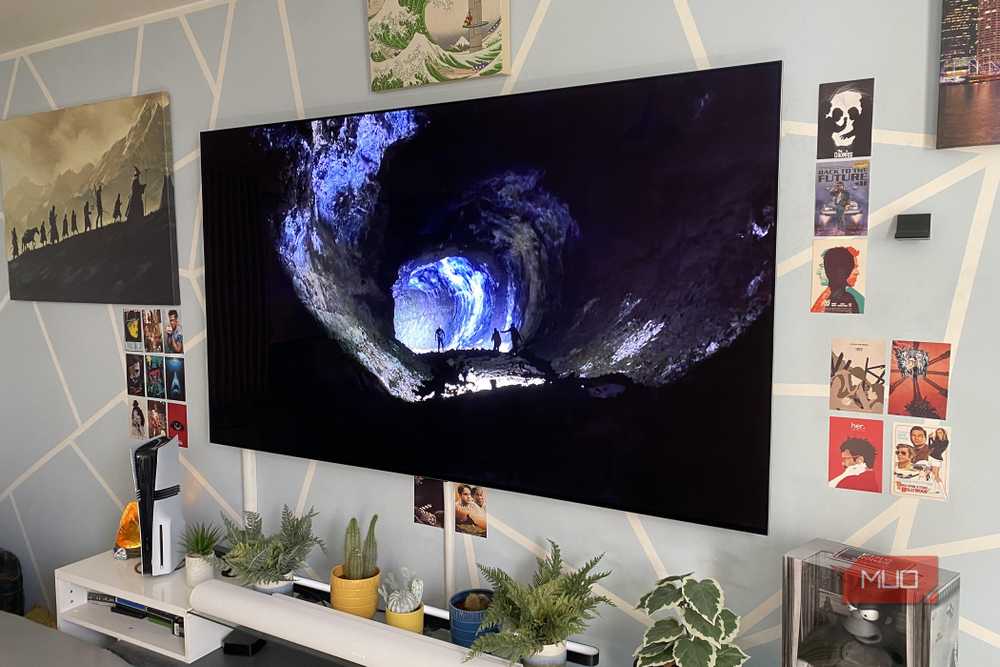
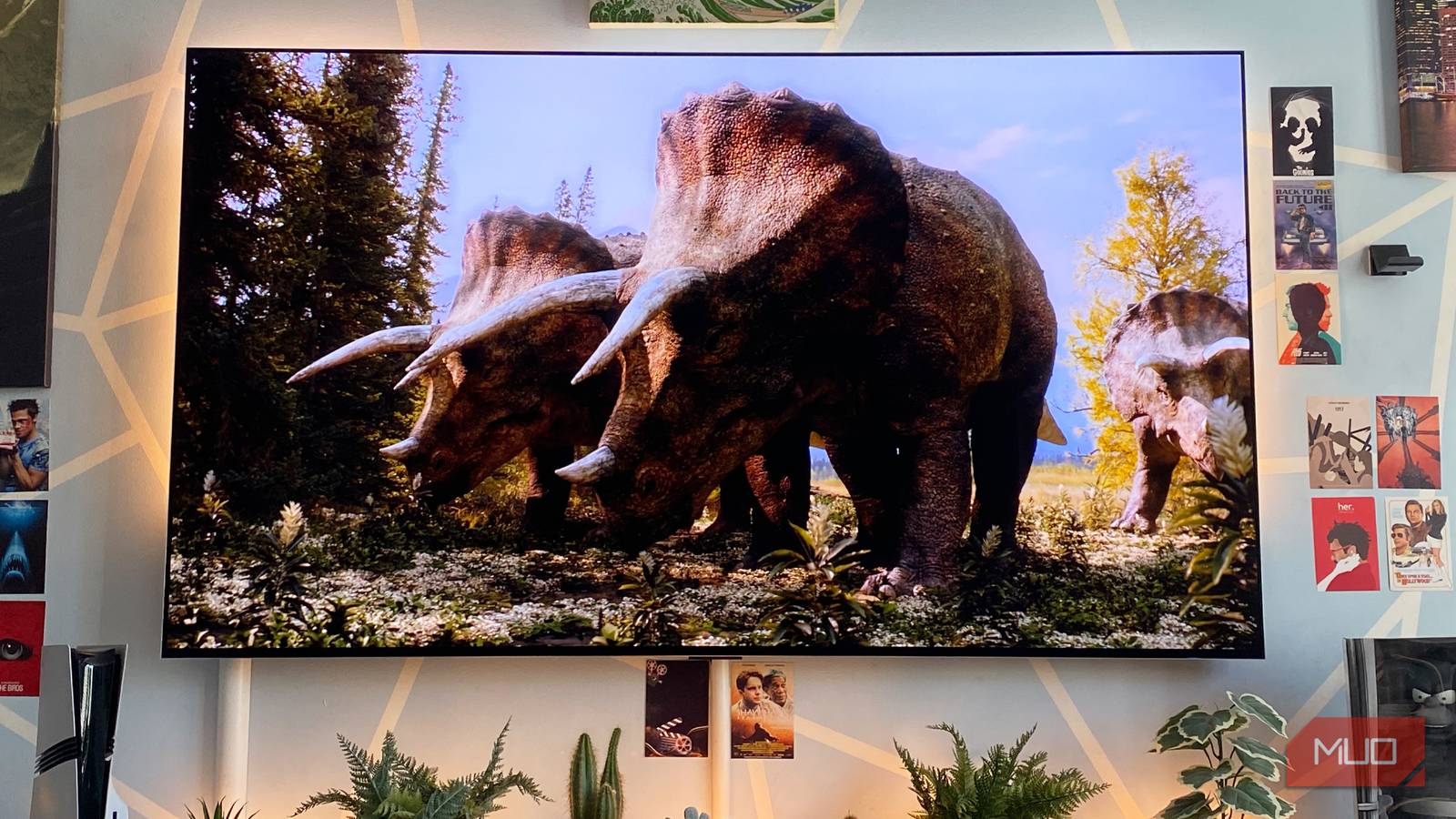
This is the real biggie. The main selling factor of OLED TVs continues to be the fact that they have perfect, infinite black levels. The secret to those incredibly inky blacks is that OLED pixels are self-emissive, meaning they can completely dim during dark scenes. Black levels on OLED displays deliver a highly immersive viewing experience at night.
By contrast, even the best LCD TVs continue to produce unconvincing blacks. In most cases, dark scenes produce soupy grays, and that’s down to LCDs using a backlight to illuminate the liquid crystal layer. Because LCDs have a limited number of dimming zones and the backlight doesn’t distribute light evenly, this leads to issues like haloing and light bleed in the corners of the screen.
Simply put, OLEDs absolutely batter LCDs when it comes to black level performance.
Superior screen uniformity
LCDs are dragged down by Dirty Screen Effect
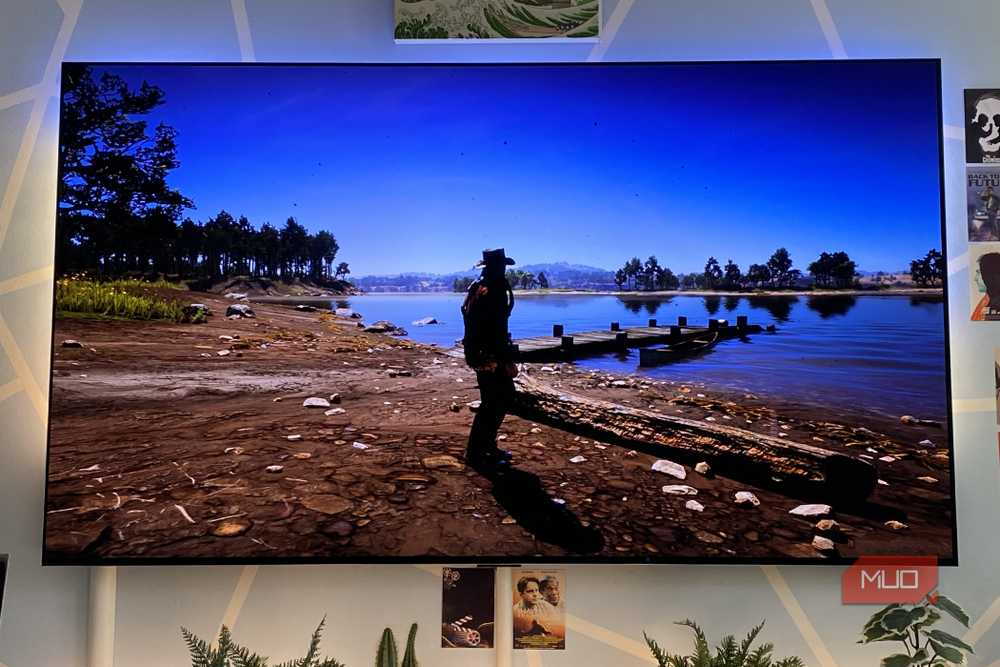
Though OLED banding is worse than burn-in to my eyes, this screen defect is less common on modern OLED TVs. While the presence of slight vertical lines can be annoying, OLED banding is nowhere near as irritating as DSE or “Dirty Screen Effect”. In general, OLED screens usually have excellent screen uniformity.
DSE is an issue LCD TVs really struggle with, one that significantly affects the uniformity of on-screen images. It’s a problem rooted once again in the limitations of LCD backlight tech. As these light sources are never distributed evenly, inconsistencies with on-screen luminosity quickly rear their ugly head in content with uniform backgrounds — like the skies in an open-world game or the green field of a soccer pitch as the camera pans from side to side. DSE manifests as distracting blotches during fast-moving action, and it’s an LCD problem I utterly loathe.
OLEDs are better for gaming
LCDs can’t match OLED response times

Another area OLED outguns LCD is gaming performance. OLED screens are normally more responsive than their LCD counterparts. The best OLED displays boast average response times of just 0.1ms, whereas many LCD screens lag behind at 5ms or more. If you play fast-paced first-person shooters, gameplay is going to feel a good deal smoother on an OLED TV.
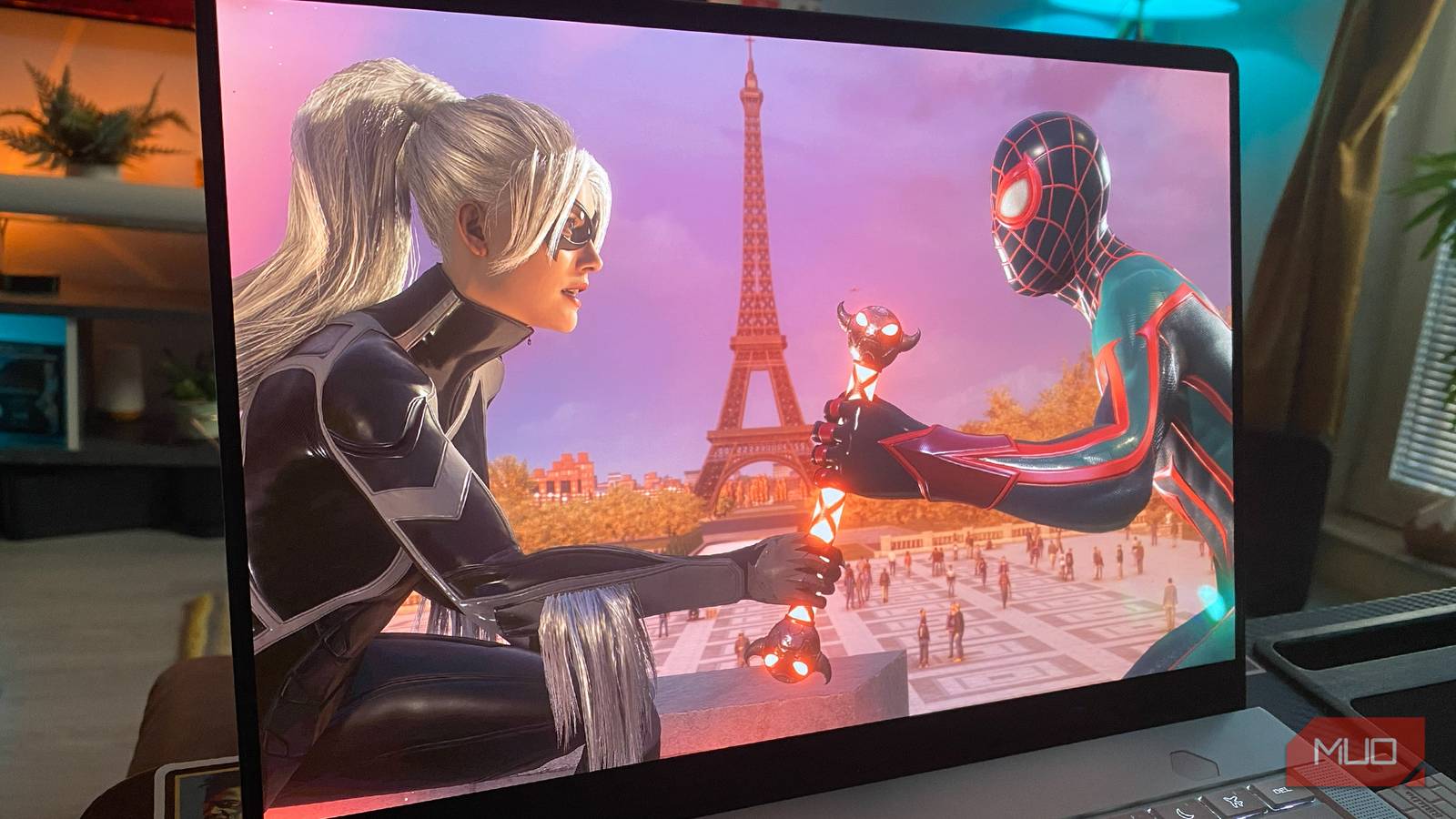
As I mentioned in the previous entry, OLED screens are much more uniform than LCDs, and in a medium where you’re constantly making camera pans, that really makes a difference. OLED black levels also make horror games like Resident Evil Requiem feel much more immersive. There’s nothing that kills scares quicker than seeing a zombie lurch out of a dark corridor that should be black, but actually appears as an unconvincing gray blotch.
More impressive contrast
OLEDs pop way more than LCD screens
OLEDs produce images with higher contrast than LCDs because they can start from a black level that looks perfect. This means the gap between the brightest and darkest parts of a scene on an OLED can appear colossal, in the best way possible. With endlessly convincing blacks, colors often massively pop on OLED displays.
One of the big reasons the Nintendo Switch 2’s LCD display is a huge letdown owes to the fact that contrast levels are pretty crummy. LCD backlights produce dark grays rather than true black. The roll-on effect is that pictures on LCDs look flatter and less vibrant than OLEDs, in large part because the primary lighting source can’t properly dim the darkest areas of the screen.
Viewing angles are wider
Want to watch from a tight angle? OLED is your best bet

One of the key weaknesses of LCD TVs is that color and contrast degrade quickly when viewed at an angle. Unless you’re sitting dead center in front of an LCD, colors can often look washed out. This is because the backlight of an LCD screen becomes distorted at angles, as light must pass through the liquid crystal layer and polarizers.
On the cheerier OLED flip side, my favorite display tech looks fantastic from every angle. Why? Due to OLED’s self-emissive pixels, the light from each one is directed toward your eyes. Without a pesky backlight causing unwanted distortion, the experience of viewing an OLED front-on or at a tight angle has no effect on the quality of on-screen colors or contrast.
OLEDs outdo LCDs in almost every category
When it comes to black levels, contrast, screen uniformity, and viewing angles, OLED TVs comfortably beat the pants off LCDs. As someone who is a massive AV dweeb, these display metrics really matter to my slightly unhinged pupils. Add in the fact that OLEDs make better gaming screens due to their superior response times, and there’s simply no way this hardcore gamer could ever go back to an LCD TV.