




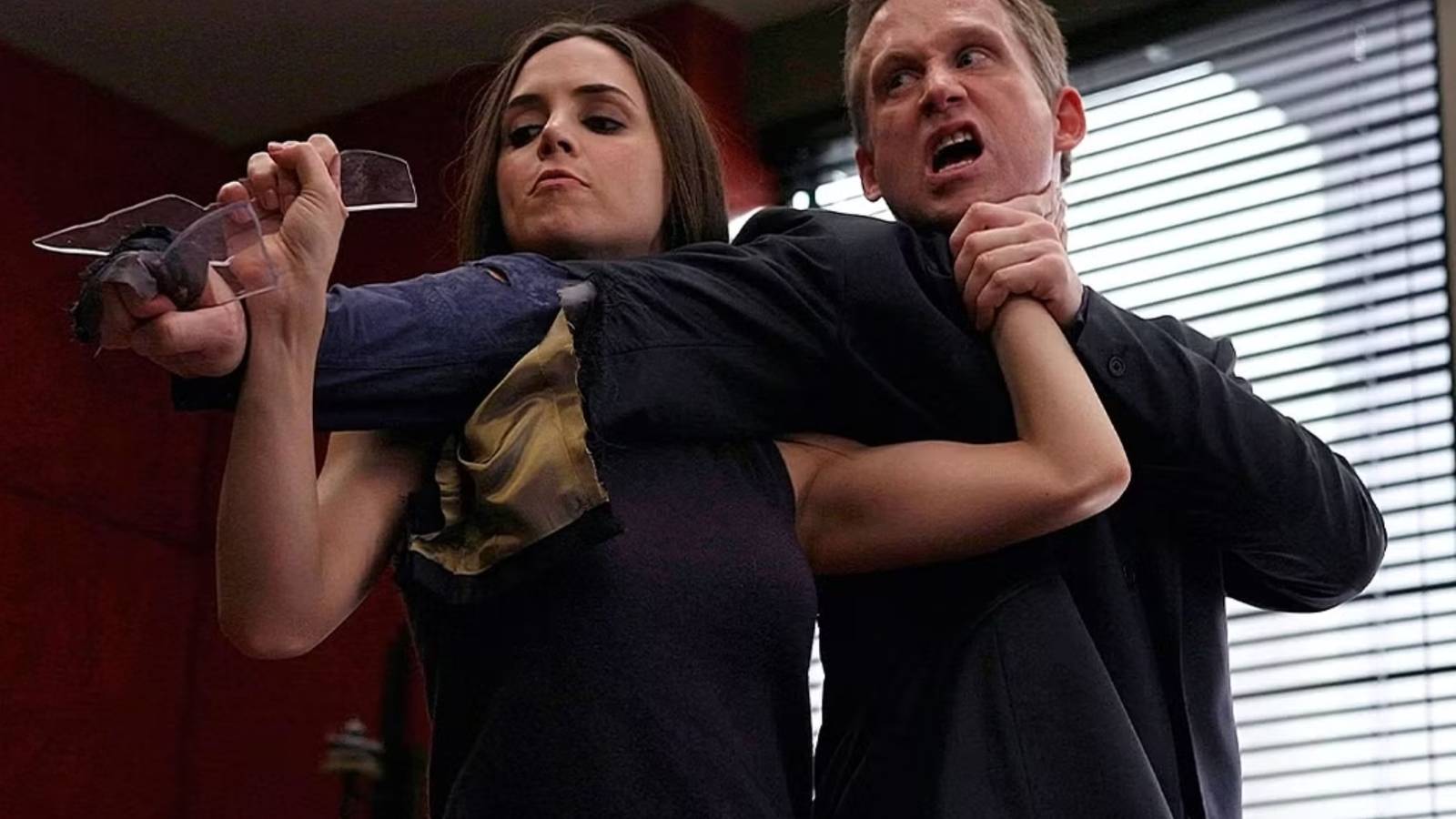
Dollhouse is a sci-fi show that ran on Fox from 2009 to 2010, only lasting two seasons. It was one of many terrific sci-fi shows canceled before its time, which is a shame, because Dollhouse had trenchant things to say about technological progress that seem more relevant than ever today, at a time when the generative AI revolution is threatening to upend many people’s lives without giving them anything to steady themselves.
What is Dollhouse about?
Meet the human chatbots
Dollhouse is set in Los Angeles, California, where the shadowy Rossum Corporation has built a very interesting business: beneath the city, they have constructed a “Dollhouse,” an open space that looks like a high-tech spa. This is where the dolls, or Actives, live. A “doll” is a person who agrees (well, usually) to give away five years of their life to the Rossum Corporation in exchange for vast sums of money once their contract is finished. Their personalities will be wiped clean from their brains, leaving them as pliant, almost child-like beings who live peaceful lives in the Dollhouse.
But then, wealthy clients can pay for these dolls to have new personalities implanted. They can be turned into untraceable assassins, made into highly competent spies, or turned into the ideal lover for clients who can afford it. Then, when the job is done, they go back to being dolls, patiently waiting for a new personality to be imprinted upon them.
Dollhouse was made long before the current AI boom, but it resonates today in a way the producers couldn’t have predicted. We’ve all heard stories about people falling in love with or even marrying AI chatbots, even though chatbots essentially just mirror back whatever those people want to hear. Chatbots may not have been around in 2009, but the dolls serve much the same function: they are programmed to be the perfect companion to anyone who can pay enough money, only they’re flesh and blood. Chatbots can’t give physical feedback yet, but when and if they can, who knows if dating will survive? Dollhouse knew that people would be willing to indulge in this kind of delusion.
Dollhouse taps into our fear of technological progress
Is the worst inevitable?
Dollhouse mainly follows Echo (Eliza Dushku), the most popular Active on the premises. Echo’s real name is Caroline, and before she was railroaded into becoming a doll — she is not one of the people who do it voluntarily — she was an activist trying to expose the Rossum Corporation’s history of shady human experimentation.
Over time, we find out more about the Rossum Corporation’s true goals: they want to use this mind-wiping and personality-imprinting technology to place their programmed agents in positions of power around the world, removing regulations on their research. A select few will be able to transfer their personalities into new bodies indefinitely, becoming functionally immortal. They’re building a world where those who have access to their technology will thrive as no one has thrived before, not caring that they’ll condemn the rest of the Earth’s population to lives of servitude and poverty.
AI technology may not be a central focus of Dollhouse, but the show evokes a sense of unease a lot of people feel when looking at the progress of generative AI today. Companies have laid off tens of thousands of people and cited AI as the reason. AI companies like OpenAI and Antrhopic are racing to develop artificial general intelligence, which could make humans superfluous on the planet they’ve dominated for thousands of years. Tech billionaires advocate for building “freedom cities,” places where normal laws and regulations wouldn’t apply, and use their fortunes to buy political influence no ordinary person can hope to match.
Will this new technology push our world over the edge like the imprinting technology does to the world in Dollhouse? Probably not; like a lot of great sci-fi shows, Dollhouse uses exaggeration and metaphor for the sake of drama. But it taps into something a lot of people are feeling. We don’t know where the generation AI journey will lead us yet, but a lot of people are feeling downright apocalyptic about it. Shows like Dollhouse, where technological progress leads to catastrophe, scratch an itch that many people are feeling right about now.
What became of Dollhouse
It’s due for a revival
Dollhouse may have been a bit too high-concept for its time. It cost a pretty penny to make and never had stellar ratings, so Fox put it down early. At least Fox allowed the writers time to wrap up the story; the show does have a conclusion, even if it feels a bit rushed. If you want to start this show, you can at least do it knowing it won’t leave things on a cliffhanger.
Unfortunately, it’s harder to watch Dollhouse these days than it should be. It’s not streaming on any of the popular platforms, although you can buy seasons and episodes on streaming services like Prime Video and Apple TV+. There’s even been an uptick in interest lately, as more people find and connect with a show that was well ahead of its time.
If you want a great binge, start with these finished Netflix shows
These 10 Netflix TV shows will delight you from start to finish.
The legacy of Dollhouse
Even though the show ended, you can see Dollhouse’s DNA everywhere. Severance, which airs on Apple TV+, is very much a kind of spiritual sequel to Dollhouse, since it’s also about a shady corporation experimenting on human beings with technology that could potentially change the entire world. Severance even stars Dollhouse cast member Dichen Lachman in a key role.
And there are plenty of other sci-fi shows that explore the intersection between technology and identity, including Westworld, Altered Carbon, and Black Mirror. Dollhouse may have ended too soon, but its legacy is all over the place.

- Release Date
-
2009 – 2010-00-00
- Network
-
FOX
- Showrunner
-
Eliza Dushku
- Directors
-
Joss Whedon
- Writers
-
Joss Whedon
-

Eliza Dushku
Echo / Caroline Farrell
-

-

Olivia Williams
Adelle DeWitt
-