


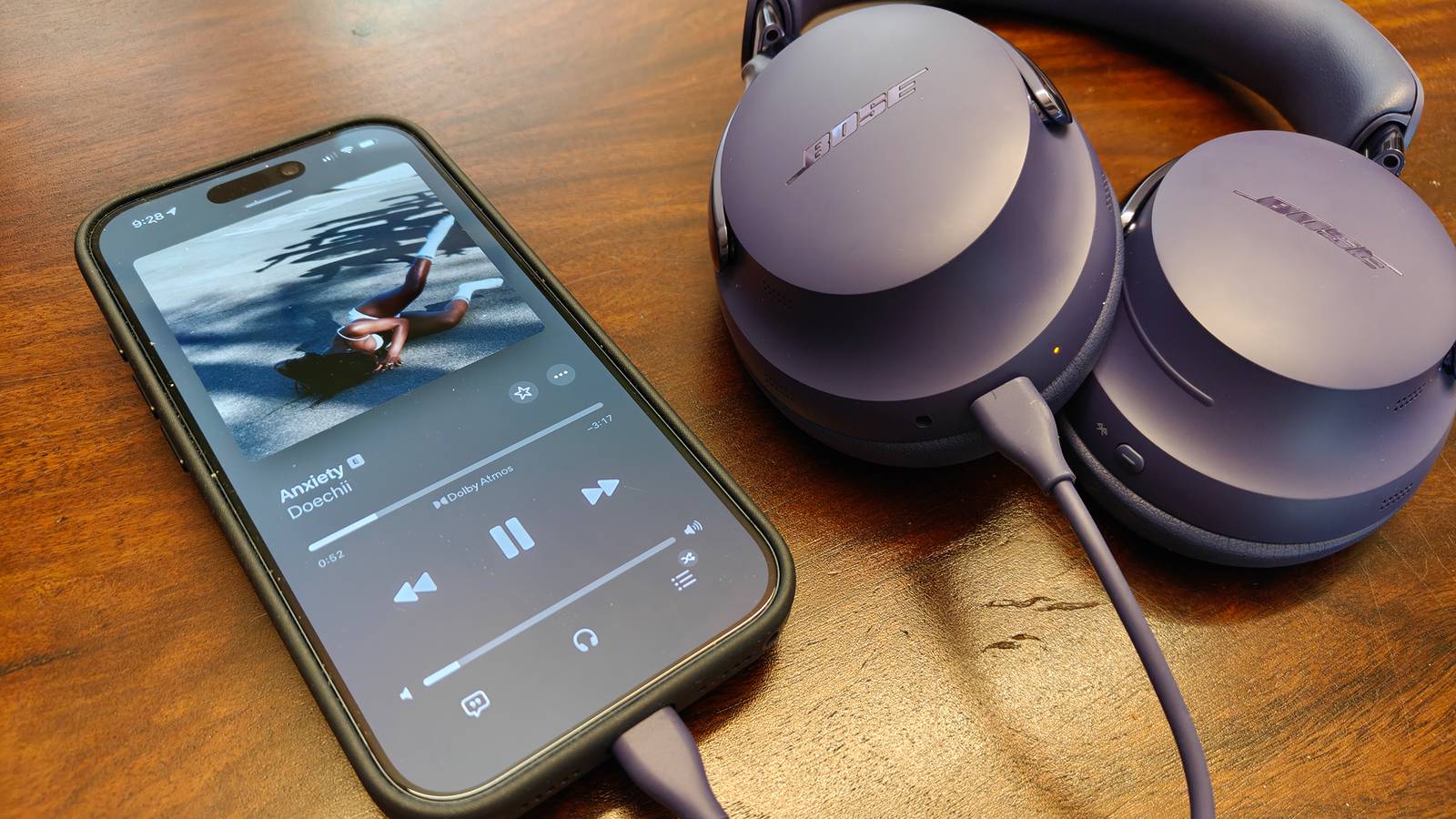
Wired headphones are back, and it’s not before too long. I find it a little amusing that people are heading back to wired audio tech after two decades of being told cables are the enemy.
The tangle-prone, pocket-snagging, easily breakable relics of the past are back, and I’m here for it.
But the reality of using wired headphones in 2026 is very different from even just 2016 — when the first headphone jacks started to disappear from iPhones.
I Love Earbuds, but They Have These 5 Undeniable Problems
As convenient as earbuds are, they’re certainly not perfect.
No charging, ever
They just work

The biggest reason wired headphones are coming back is also the simplest: wired headphones just work.
How many devices do you own that need charging? My life is packed with them, including remembering to charge the backup chargers themselves, which is a whole extra level of organization I often forget. Wireless earbuds and headphones add to that pile.
Anyone using wireless earbuds has definitely experienced that moment of leaving the house, only to discover you’ve forgotten to charge them. That never happens with wired headphones or earbuds.
Wireless convenience is fantastic — until the battery runs out.
Wired audio still sounds better
The specs don’t lie

There is no denying that Bluetooth has improved enormously over the past few years. Modern wireless headphones and earbuds sound excellent, and for most folks, wireless audio does a good enough job.
But when it comes down to it, wired headphones and earbuds still have a huge advantage.
Wired audio has a ceiling that wireless still hasn’t reached. A physical connection passes an analog signal without the encoding and decoding overhead that Bluetooth requires.
There is little by way of audio artifacts (and no compression artifacts!), no codec integration, and no RF interference from other wireless signals. What you hear from the source is what’s being sent, and that’s what you get.
The difference becomes especially noticeable if you’ve invested in higher-quality headphones or subscribe to lossless music services. People increasingly pay for better audio quality but still listen primarily through wireless connections that introduce compromises along the way.
Even Spotify’s imperfect Lossless streaming option sounds much better with wired headphones. High-quality audio streaming services like Qobuz and Tidal can’t escape wireless audio compression.
Latency is more important than you think
Bluetooth is much improved, but there are times when it matters

Bluetooth latency has improved massively. Modern wireless headphones handle video playback well enough that most people never notice delays anymore. But “good enough” doesn’t always work out in certain scenarios.
Gaming is probably the best example. Competitive games demand precision, and any delays in audio can be frustrating and maybe even push you towards losing. There are similar issues with content creation, like video editing, audio production, and recording workflows.
I’ve also experienced plenty of moments when what I’m streaming doesn’t align properly with wireless headphones and earbuds, a problem I’ve not encountered with wired headphones.
However, I’d be amiss not to mention 2.4GHz wireless streaming, which significantly reduces the latency for wired devices, and is particularly used for gaming audio hardware. 2.4GHz uses the same wireless band as 2.4GHz Wi-Fi, but typically over a much smaller broadcast range, such as your sofa to your TV, hence why it’s much more efficient.
Wired headphones often last longer
There’s just less that can go wrong
Wireless audio products face one unavoidable problem: batteries wear out.
Even excellent wireless earbuds eventually lose battery capacity over time. Devices that once lasted eight hours might only last four after years of regular use. Eventually, battery degradation becomes frustrating enough that replacement feels inevitable.
The beauty of wired headphones is that they avoid that problem. A good pair of wired headphones will outlast most wireless earbuds for that reason alone. You can even find higher-end models with replacement parts, like cables, which keep them going even longer.
That last point is also important. Yes, wired headphones have a weak point: the wired connection. I can’t remember how many pairs of cheap wired headphones I’ve broken over the years, spending time forcing the 3.5mm jack into the right position to coax a sound.
But they were particularly cheap. The more expensive wired earbuds and headphones I’ve owned come with detachable cables, which means you can replace them.
I’ve reviewed dozens of wireless earbuds, and this is my go-to pair
I have reviewed dozens of wireless earbuds in the past year, dozens more through my career, and these are the ones I always go back to.
Wireless isn’t going anywhere
Wireless headphones and earbuds aren’t going anywhere. Nor are they bad quality, and I’m not suggesting folks ditch them immediately.
But wired earbuds just have so many excellent qualities compared to wireless that it makes sense to switch if you get the opportunity.

- Microphones
-
1 (On-cable inline microphone)
- Brand
-
Bose
- Wired/Wireless
-
Wired 3.5mm
- Frequency response
-
20 Hz – 20,000 Hz
The wired Bose SoundSport headphones deliver clear, open audio with a secure, sweat-resistant design. Their signature StayHear tips sit comfortably without sealing the ear canal, keeping you aware of your surroundings. With zero battery requirements, an inline mic, and a 3.5mm jack, they provide reliable, skip-free music for workouts.