



When you think of thoughtful, deliberate sci-fi, Star Wars probably isn’t the first thing that comes to mind. Star Wars is fun, Star Wars is epic, Star Wars is exciting, but the franchise is often at its best when depicting lightsaber duels to the death or deep space dogfights. If you want careful character development and slow-burning storylines, you might wanna look elsewhere.
Or at least that was the case until Star Wars: Andor aired on Disney+. This show takes its sweet time building its story to the point where you figure a lot of Star Wars fans might check out, but the payoffs are so spectacular they can’t help but stick around. Andor ends up being not just the most meticulously plotted Star Wars adventure ever made, but one of the most patient, detail-oriented sci-fi shows of all time.
Star Wars: Andor knows how to keep you waiting
I want delayed gratification, and I want it now
Andor is set after the Star Wars prequel movies but before the original trilogy, so the Empire has taken over the galaxy but a young upstart named Luke Skywalker hasn’t yet emerged to give everybody hope. In fact, there are no Jedi of any kind around, and precious little use of the Force. That’s one of the ways Andor announces itself immediately as a different kind of Star Wars story: this one is just about ordinary people trying to do the right thing, sans lightsabers and space magic.
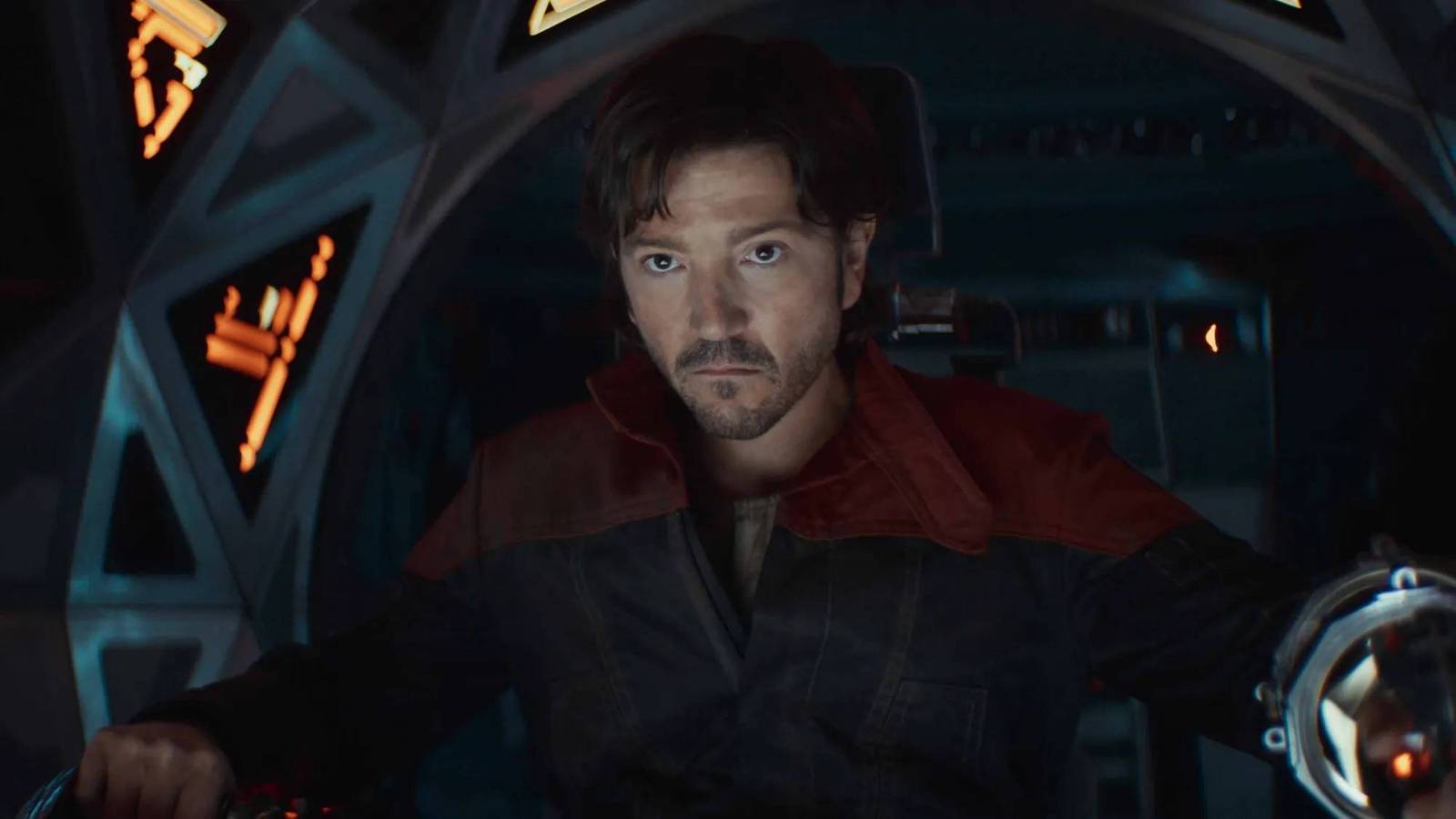
Instead, we follow Cassian Andor (Diego Luna), a thief and smuggler who doesn’t like the Empire but who’s too cynical to actually try and fight them. The first season basically covers his transformation from a selfish loner into someone who cares enough to commit himself to the cause.
There’s a version of this story that could be told over the course of a couple of hours, but Andor stretches it across 12 episodes of TV, which is itself unusual; a lot of prestige shows these days have only eight or even six episodes per season. Andor went the other direction and fills much of its lengthy runtime with context. We go back in time to see Cassian living as an orphan on the jungle planet of Kassa. We get to know his adopted family and the few other people he allows himself to get close to, and he has to suffer a lot of outrageous slings and arrows before he’s finally ready to join an early version of the Rebel Alliance.
This may sound like a diss, but I don’t think the first season of Andor gets really good until around the halfway point, when Cassian is unjustly arrested and sent to an Imperial labor camp. It’s at that point that his personal growth really starts to pick up momentum. But that doesn’t mean the first half of the season is filler; it’s only because we see exactly where Cassian comes from that these later developments hit so hard and mean so much. The climaxes to that first season are tremendous, but only if you’re patient enough to get to them.
Cassian Andor is a fascinating character
But the supporting cast may have him beat
Cassian isn’t the only character that Andor explores in detail; there are hosts of fascinating figures that benefit from tons of time spent with them.
One thing I love about Andor is that while it clearly depicts the Rebel Alliance as the good guys, they’re far from saints. The unofficial ringleader, Luthen Rael (Stellan Skarsgård), is a self-admitted husk of a man who has given himself so completely to the Rebellion that he has no room in his life for anything else. He’s trying to do something good, but his methods are so brutal you’d be forgiven for mistaking him for a villain, and he’d probably understand where you’re coming from. Mon Mothma (Genevieve O’Reilly) is a galactic senator who officially tries to be a bulwark against the Empire’s growing tyranny while unofficially helping to found the Rebel Alliance. The show takes the time it needs to help us understand how much these characters are giving up to do what they do, so we always feel they’re at real risk even if they’re not engaged in blaster fights every other episode.
The actual villains are just as fascinating. Andor doesn’t divide characters neatly into “good” and “bad” camps, but it does have a keen eye for the differences between people who value freedom and those so in love with authority they’re willing to embrace brutal fascism. Dedra Meero (Denise Gough) is an Imperial officer who’s kind of a funhouse mirror version of Luthen Rael: she’s given up everything in her life except her devotion to the Empire, except unlike Luthen, she doesn’t know that’s a bad thing. And then there’s poor, sad Syril Karn (Kyle Soller), an Imperial bureaucrat too ignorant and mediocre to know he wants all the wrong things for himself.
Syril spends the better part of the show’s two seasons obsessed with finding Cassian Andor, but they don’t actually meet until close to the end, and it doesn’t go how you’d expect it to go. That’s a great example of the show’s method at work: it doesn’t give you what you want immediately, but when you get it, it’s all the sweeter for the waiting.
They don’t make them like Andor anymore
In the Star Wars universe, they never did
There aren’t many sci-fi shows that measure up to Andor in terms of quality, although there are a few others that try to pace themselves deliberately, if what you’re after is a show that rewards your patience and investment.
Unfortunately, I can’t see us getting many shows like Andor in the future, in the Star Wars universe or elsewhere. The series cost nearly $650 million to make, a staggering amount for two seasons of television. And while it definitely had passionate fans, it wasn’t as widely popular as, say, the original Star Wars movies, which it might have to be to justify the price. What we have here is a unicorn. It should be appreciated.
What can Star Wars learn from Andor?
The Star Wars universe will march on, with a new movie coming out this year and another the year after that. Between all the new movies and TV shows over the past several years, there’s a sense that Star Wars doesn’t feel as special as it used to, but Andor made it come alive again. I don’t think it’s so much the uniquely patient storytelling that made Andor feel so singular, but more that creator Tony Gilroy devoted himself so fully to it. If the people behind these new projects treat them with the same kind of love and care, we can fall back in love with Star Wars.