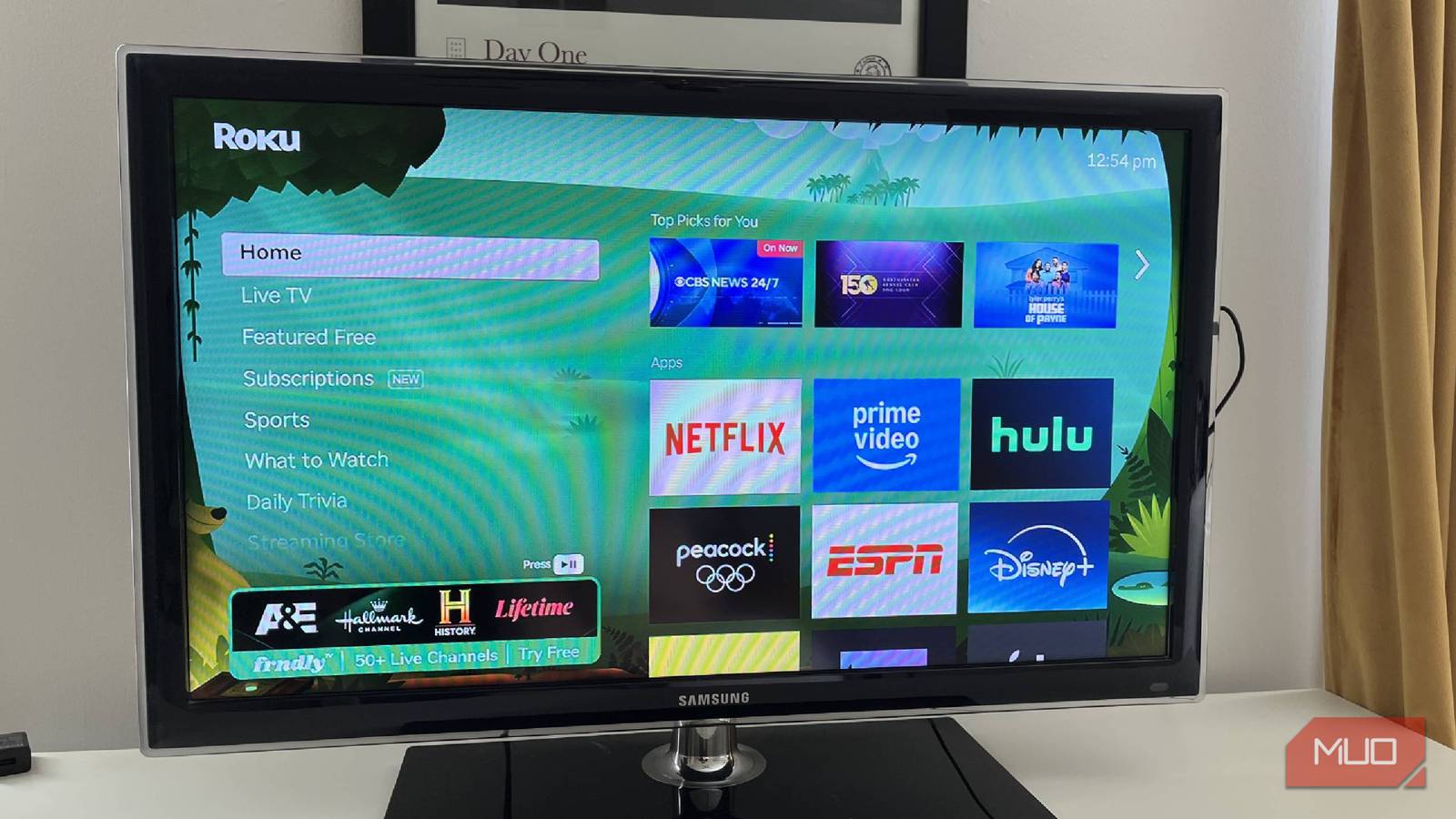






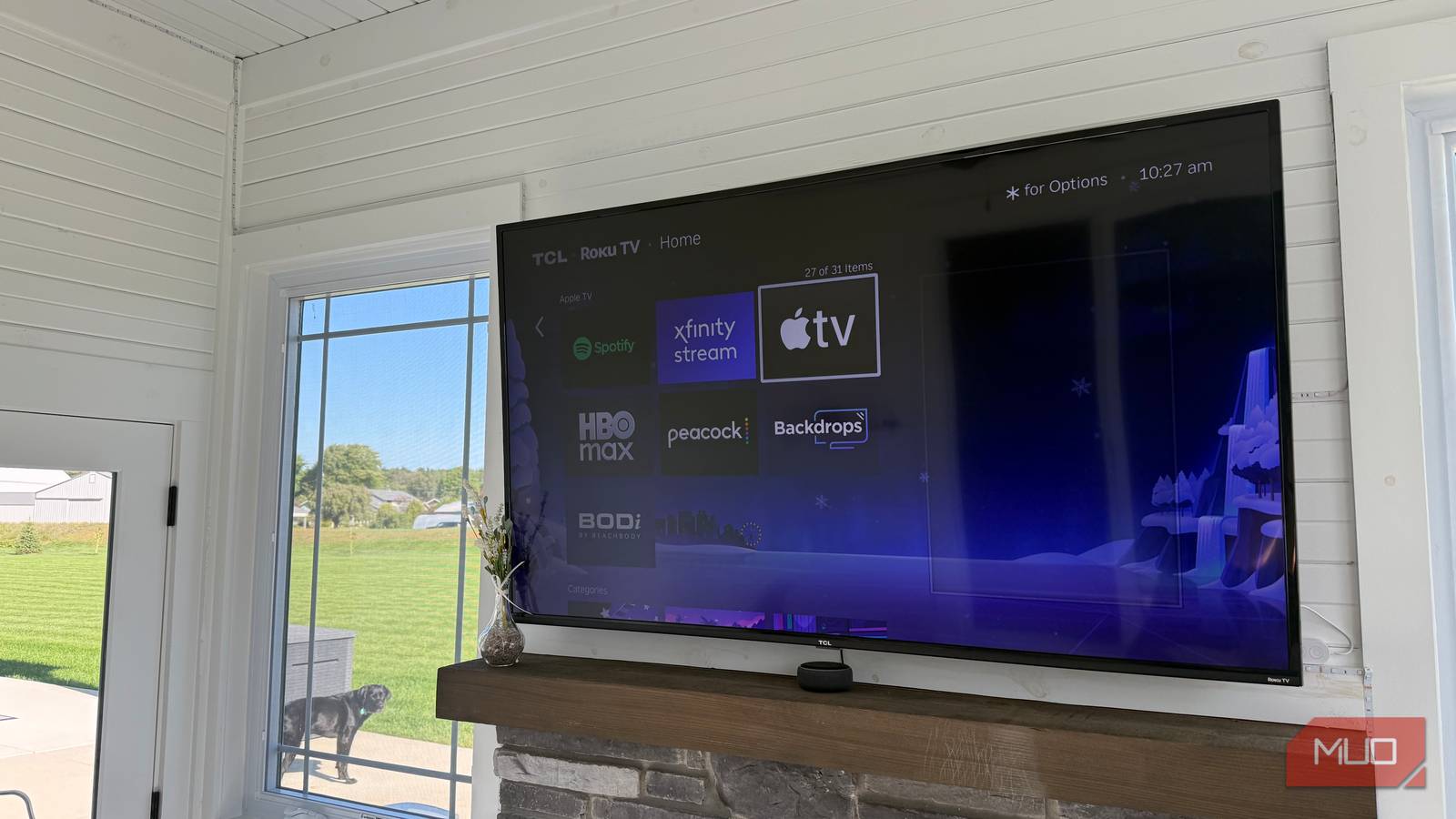
My current TV is a TCL C728, which has a 55-inch QLED panel. I bought it back in 2020 or thereabouts (can’t remember the exact year), and I’ve been using it to watch content and play video games. When I got this TV, it was perfect because, as you can imagine, upgrading to a 4K 55-inch TV from a 32-inch model made an instant difference to my watching experience. My old TV was a Samsung with 1080p resolution (aka FHD), and while I could watch content online, the picture quality wasn’t the best.
The TCL runs on Google TV, too, which meant I could install a myriad of apps from the Google Play Store or easily sideload apps if I wanted. I thought I needed a new TV, but looking back, it’s clear that instead of buying a smart TV, I should have gone with a projector. It might sound crazy, but it totally makes sense.
The issue with using a smart TV to watch content
It doesn’t suit my needs as I previously thought
Okay, hear me out. I’m not saying you shouldn’t be using a TV to watch content. TVs are great devices for watching content because they give you bigger displays than what you’ll find on other devices like smartphones, tablets, monitors, you name them. And since they can be placed on a console or mounted on a wall, you can watch or play games from the comfort of your couch. But as much as they’re solid for watching content, they’re not perfect.
The key downside of using a TV is that it’s not portable. Because of that, you can’t carry your TV when you go on holiday, for example. And you probably wish you could because you’ll typically find a basic set in most hotel rooms or Airbnbs that makes watching less enjoyable, especially if you have a good TV at home. Since I work online and travel a lot, I run into this issue more often than not. Additionally, there isn’t a comparable TV at my parents’ house, so whenever I go home, I miss using my TCL. But portability isn’t the only issue.
There’s also the aspect of habituation. I’ve used this set for about five years, so my eyes have adapted to the screen size, and it no longer feels as big and exciting as it was when I first unboxed it. This is totally normal when it comes to TVs, and you’ve probably had this happen to you as well. It’s so bad that I’m actually tempted to think it’s a sign to get a new, bigger TV that’s 75 inches or larger, but when that time comes, I have a better idea of what to go for.
Why I wish I had gotten a projector instead
Projectors are also ideal for home entertainment needs
The more I spent watching content on my TV, the clearer it became that I needed more than just a screen. I needed a device that could offer a bigger, more immersive viewing experience. I’m not saying you can’t achieve this with a TV. Heck, there are big-screen TVs on the market that can do so, and they may even be better if you splurge on a quality model. But for a projector, you get far more screen for less money.
Any reasonably priced projector can easily throw a 100-inch image, something that would cost you a small fortune if you tried to replicate it with a TV. That’s why a projector is the perfect option if you don’t want to splurge. If I had gotten a projector that could produce a 100-inch image, for example, instead of my 55-inch TV, I’m sure the watching experience would still be amazing today. Another reason I wish I’d gone the projector route is portability. Smart TVs typically come in large rectangular slabs that are not only fragile but also quite heavy, making transportation a chore and a risky endeavor.
For a projector, I don’t have to worry about that. Most projectors are compact boxes that you can throw in your backpack and forget they even exist. Then, when the time comes, you can slide them out of your backpack and use them to watch content as long as you have power. That means I can continue enjoying the large, immersive picture wherever I am, whether at home or away. Of course, projectors aren’t perfect. They work best in dim rooms and require a bit more planning for the projection surface to get good picture quality, especially if you buy the cheaper models. Additionally, they’re sensitive to ambient light, which makes watching during the day a challenge. Given the portability and large screen that you get for the price, I’d choose a projector over a TV any day.
The setup I’ll go for when my TV is due for an upgrade
I wish I had gone for this instead of my TV

Now that I’ve laid out the pros for getting a projector over a TV, what would I get if I had to do this again, or the next time I’m due for an upgrade? Well, you already know my choice: a projector. I’ve come across a variety of projectors on the market, and some are dirt cheap, going for as low as $50 or even less. But these cheap projectors, just like cheap TVs, can be more expensive in the long run. First, they don’t offer the best image quality—they are typically limited to 720p or 1080p resolution, and the brightness, contrast, and color aren’t good.
For a projector, these issues are even more pronounced, especially if you don’t pick the right projection surface. Screen size isn’t a big issue, as even some of the cheapest models can output a 75-inch, 100-inch or even a larger image. For example, Happrun’s 4K Projector can produce a 300-inch image and costs less than $400. After considering different options on the market, one option I would go for is LG’s Cine Beam S, an ultra-short-throw (UST) 4K laser projector. As an ultra-short-throw projector, you only need about 3 inches from the wall to get a full 40-inch image, and 16 inches for a 100-inch image. Such a projector would be perfect for my needs as it would also allow me to enjoy the 100-inch view regardless of the room size.
Plus, because it requires such a short distance from the wall to display a 100-inch image, it can be positioned at the front of the room rather than in the middle or at the back. Another great alternative I would consider is the Hisense PT1, a laser UST projector that supports Dolby Vision and has a 240Hz refresh rate. It can output an image of up to 150 inches, so it’s perfect for setting up a proper cinema-like experience at home when paired with a good home theater system. It runs the Google TV operating system, so there are plenty of apps that you can install.
Smart TVs aren’t the only option for home entertainment
Smart TVs are synonymous with home entertainment. Whether you need a bigger screen for watching movies and sports or playing video games, the first thing that comes to mind is to get a smart TV. And they’re great at that, but, like anything in life, they have their disadvantages, including limited portability and a high price per inch.
Instead of buying a TV, you should consider a quality projector as it can give you a bigger screen for less and allows you to carry it around wherever you go. All that while still enjoying the benefits of a standard TV.