


With operating systems, I don’t live at the bleeding edge. Some friends install beta versions the second they arrive, because they must experience shiny new toys the instant they’re available. Me? I like my gear continuing to function, rather than an errant bug causing my iPhone to restart precisely every 42 minutes, or my Mac to inexplicably start playing Return of the Mack on a loop, oblivious to the fact ‘Mack’ has a K in it. But this isn’t why I’m still clinging to iOS 18 on my iPhone, even though iOS 26 was released last September and iOS 27 is imminent.
The reason iOS 18 remains on my iPhone is because I’m… not a fan of iOS 26. And because I’m consistent, I haven’t installed iPadOS 26 on my iPad and macOS 26 on my iMac either. This is, I should note, deeply unusual. While I am risk-averse, I have never before lagged to this degree in installing operating systems on Apple gear. Usually, I wait until a ‘x.1’ release before committing to a new OS (given that Apple makes it a horrible nightmare to downgrade). Historically, much of that has been about ensuring apps I rely on will continue to work.
The biggest error I made with an update was iOS 7. It made me physically ill. Animations blasting towards my eyes at the speed of a bullet combined with vomit-inducing parallax and general wobbliness made me dizzy. Fortunately, I recognised this, having found Mac OS X Lion had done the same. By iOS 7, I knew what was happening. Unfortunately, I was stuck with an unusable operating system (quite literally closing my eyes when performing certain actions) for months.
Liquid pass
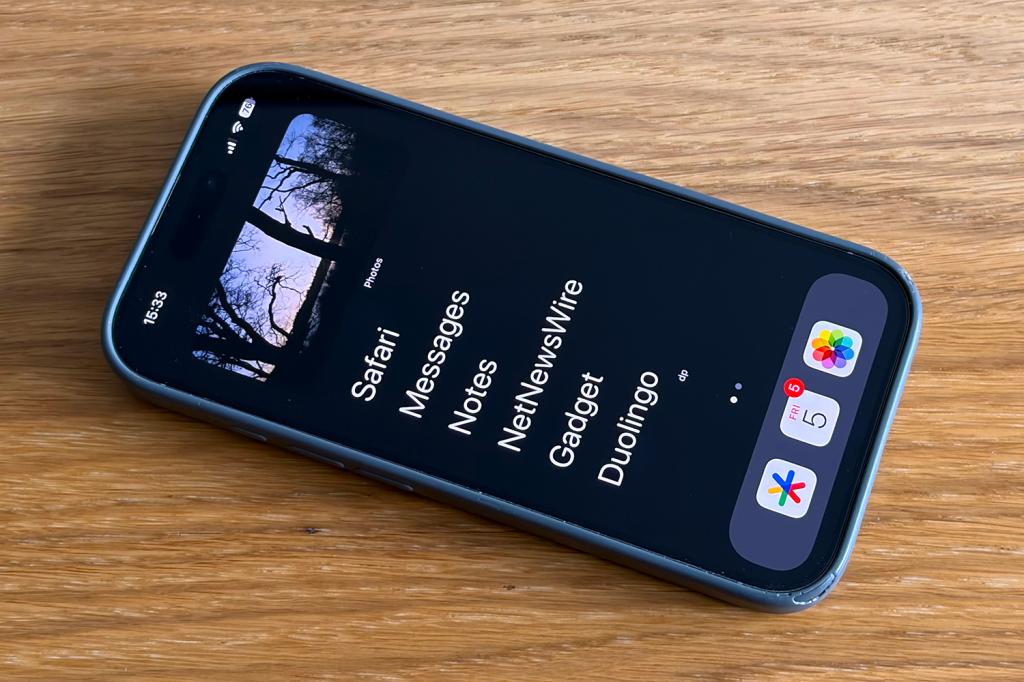
Last year’s iOS update wasn’t that bad. But it did feel like Apple drag and dropped some of its accessibility team elsewhere. Too many vestibular accessibility triggers remain – and with iOS 27 barreling towards us, they’re not getting fixed.
Really, though, it’s… everything. Liquid Glass has been toned down, but it still sucks. Apple’s enforced bling widget borders wreck my minimalist Home Screen. App interfaces remain poor for legibility. All this undermines Apple’s claim that its redesign would be less distracting.
Things are no better on iPad and Mac – where I’ve also stubbornly refused to upgrade my main machines. (I have spares for testing.) Massive button shadows lurk. Comically rounded window corners demand attention while reducing space for content, in a manner only marginally less absurd than the weirdly cropped media in the Battlestar Galactica reboot. And countless bugs have left Apple’s software feeling almost as rickety as during the Mac OS 9 days.
Naturally, Apple would disagree. Adoption of its latest systems appears broadly in line with previous years. And while my own circle of geeks, hacks and devs continues to grumble, it’s hardly representative of the wider world. Even so, it can’t be great that, for the first time, Apple hasn’t convinced me to upgrade.
Next week is WWDC. Apple’s new interface design chief, Steve Lemay, is reportedly a UI wonk, while incoming CEO John Ternus is a product guy. Both surely want Apple’s software to match the quality – and usability – of its hardware. And while both have professed to be pro-liquid Glass, no Apple exec will publicly dismiss a flagship feature.
So I have a flicker of optimism. Not that Apple will stage a dramatic reversal or magically perfect its software overnight. But that there will be evidence of change and that, come September, I’ll be excited to install the iOS 27, iPadOS 27 and macOS 27 updates rather than dreading them.

