







A lot of times, when a new technology or product comes onto the market that’s getting a lot of buzz, people want to talk about it. Whether it’s a new iPhone or Galaxy or the newest feature on Instagram, each one is going to have an audience that cares about it and another that the news of its existence never even gets to them. That’s the way the world is, as people are focused on certain things in their lives and, if a new topic happens to enter their stratosphere, they’ll pay attention. If it’s not in their interests, they completely ignore it.
But then there are times when something comes along that can’t be ignored. It affects everything or most things around you. The hottest topic in the past few years has been AI. You’d be hard-pressed to find someone who has not been affected by it at all. Whether it’s as simple as seeing a story about a deepfake photo on the news or actually using a large language model chatbot to put together a recipe, the broad term “AI” has touched many. It’s right to be leery of new technologies at first, AI being a main one. However, AI is making our lives easier, whether we want to believe it or not.
AI isn’t all-encompassing, but it does mean a lot of things
Many things you may not think about fall under AI
If you’re of a certain age, you might remember the Disney Channel Original Movie Smart House. It featured a boy who turns the virtual assistant programmed into his house into a mother figure to prevent his dad from dating. When Pat, the house’s virtual assistant, showed up in the form of Katey Sagal as a 1950s homemaker, it felt like AI could be there to help you with anything in a house. It almost felt like the future.
While we don’t quite have houses churning out virtual assistants that can physically act like a mom, we do have incredibly helpful home tech that can set you on the right path for the day. Things like smart assistants have become such an important part of many people’s smart homes that it’s almost hard to remember that they’re considered AI.
AI feels like a bigger term these days, with companies spending billions of dollars focusing their efforts on the future of it. But your smart speaker, like the Amazon Echo Show 8 above, runs an AI assistant named Alexa. Alexa has been in Amazon device users’ lives since 2014, when the first Echo was released. Now, it’s a part of everyday life for many.
The model’s ability to render a picture is a staggering advancement that makes life just a little bit better.
If you’re a fervent Alexa user, you probably have her turn on smart bulbs for you, add things to your grocery list, and tell you the weather every day. It’s hard to remember a world without her in it, and you might not even think about the fact that she is an AI. It’s become so ingrained in society.
LLMs and chatbots get us the answers
Looking up an answer has taken on a new meaning
I tend to use ChatGPT and Google Gemini for personal uses and have used NotebookLM and Copilot for professional reasons. But there are many options available to users these days.
I harken back to, if you are a certain age, you can remember a time before the Internet. You used to have to go into an encyclopedia, an almanac, or just ask an older person if you wanted to know an answer to something historical. You didn’t have a computer in your pocket, or you couldn’t ask a speaker something and have it answer you.
Nowadays, you can get the answer to many of your questions just by typing them into an app or visiting a website. Chatbots using large language models (LLMs) can pull info from the Internet and scour it in seconds for you, rather than you having to search in a browser for it. In fact, there are also browsers that have built AI into their search bars, summarizing their findings at the top of the page, so you don’t have to look at individual websites for what you want to know.
It’s a completely different level of searching for information. You also don’t just have to ask a simple question. As seen by the prompts above, you can get information on world news, have the Internet suggest a workout plan for you, and get podcast recommendations from a specific platform.
If you pay for a special subscription to some of these chatbots and AI assistants, you can have them tackle so many tasks for you. My wife has used ChatGPT to try to visualize what a garden in a certain section of our backyard would look like or what a piece of furniture might do to the aesthetic of the dining room. The model’s ability to render a picture is a staggering advancement that makes life just a little bit better. I can know ahead of time whether something might look good before I invest a lot of money in adding it to my home.
Not only can I ask it to show me what something might look like in a room, but I can also ask for the best recommendations for companies that can provide it. We had a contractor come and look at a room for a project, and he asked my wife how she found his company, and she replied that ChatGPT had given it to her, and he said, “That’s a first.” ChatGPT and other chatbots provide simple workflows that net complicated responses.

I Tested ChatGPT vs. Gemini for Studying—One Was Miles Better
AI study buddies aren’t created equal.
Your streaming adventures aren’t random
AI learns what you like

Most people enjoy being able to stream TV shows and movies whenever they want. You don’t always have to wait until a specific show is airing on a set day to watch it. Streaming platforms upload new shows, old shows, and all kinds of content for customers to either watch for a price or for free.
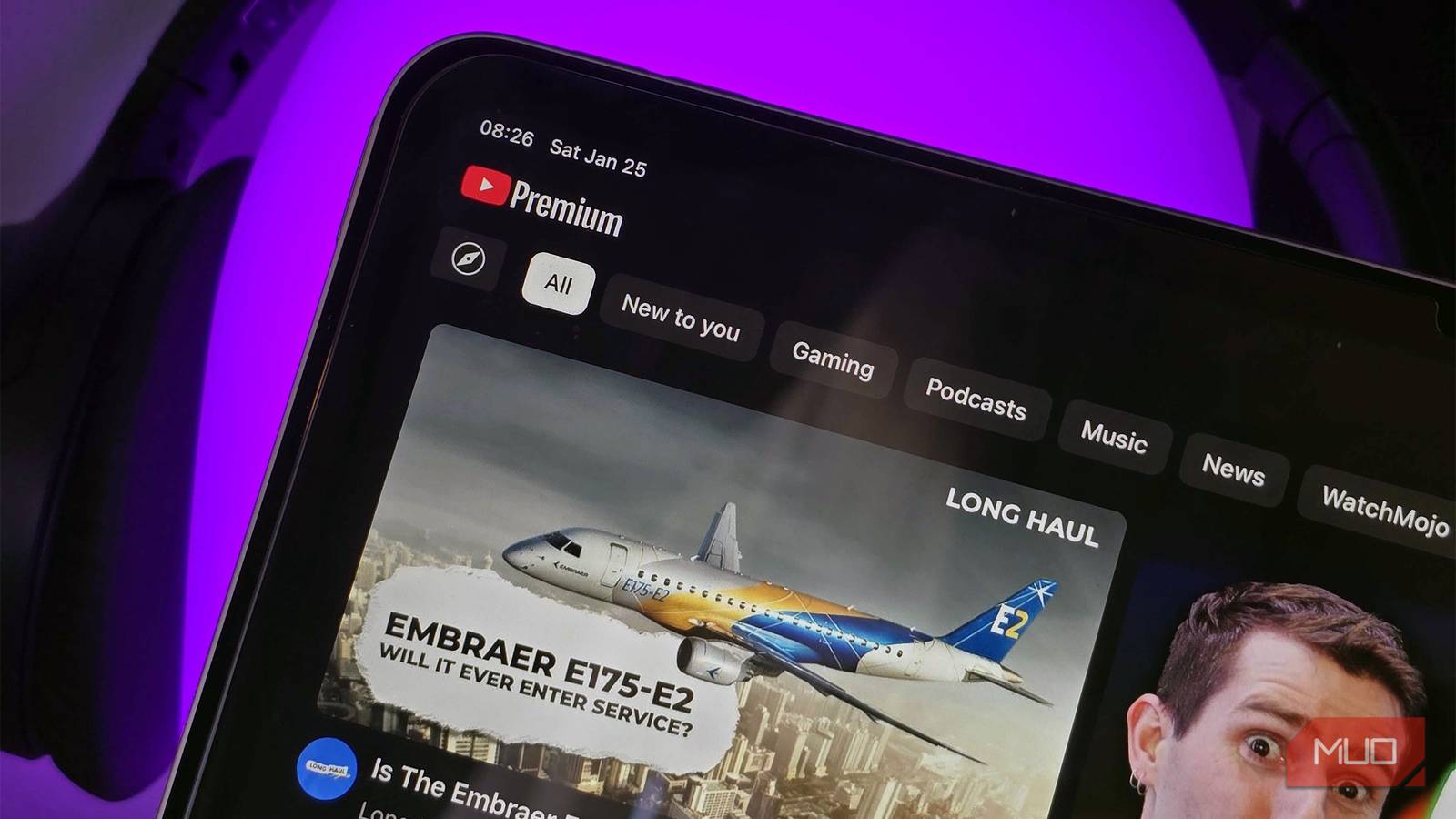
If you’ve used a streaming service before, you’ve definitely noticed that the streamer recommends titles for you. This is often based on your selections and what you’ve viewed. When you first start using a platform, they will often ask you what kind of content you like. Based on your selections at that point, they have already started building an algorithm to specifically address your wants and needs. The more you watch on the streamer, the more attuned the recommendations are to your interests.
The AI in the streaming service aids the platform in catering to you. The more likely you are to get things that you want to watch, the more likely you are to use the platform. The more consistently you use it, the more you’ll think about renewing it, which means more money in their pocket.
But we can’t be mad about that. It gives us a generally enjoyable experience that we want. Plus, you find the streaming services worth paying for. Stumbling upon a show or movie that you flipped over to while scrolling through the guide on cable TV is a bit of a lost experience. But I’d rather know what is new on a platform and might be up my alley than spend time scrolling and searching for something new.
AI has been better than I expected
The AI we were warned about came in the form of the villain in Terminator 2. There are plenty of things that are scary about AI, such as the struggle for privacy and data control. But for all that AI can do, I find myself using it more and more each day. I don’t want it to overtake every experience in my life. Yet, I do like it when it makes my life easier, which is something I see often.

- OS
-
Android
- Developer
-
Google
- Price model
-
Subscription
Google Gemini is Google’s AI assistant that uses its AI models. It can provide you with answers by powering multiple Google applications.