


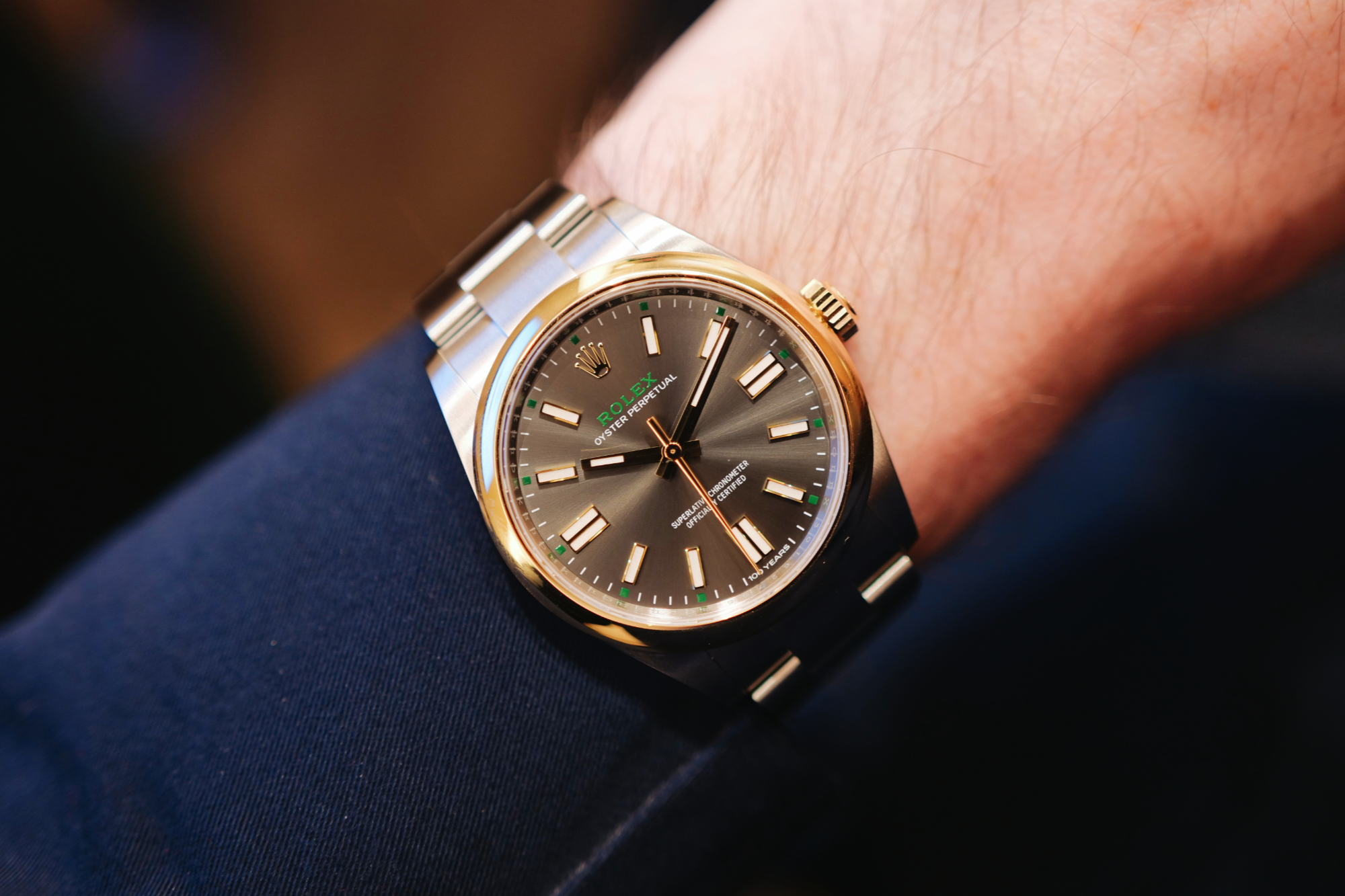
Sure, an Apple Watch can track your VO2 max, take an ECG and ping you the second your Uber arrives. By any sensible measure, it’s a more useful tool than a mechanical watch.
And yet mechanical watches aren’t going anywhere. If anything, the high-end watch industry is having one of its strongest stretches in years.
Here are seven reasons why I think tiny metal machines with no battery and no app stores still deserve a place on your wrist.
1. They can mark the moments that matter
This is the most important point for me. A smartwatch is a gadget you’ll upgrade in two years (more on that later), but a mechanical watch is something you can buy and keep forever. For that reason, they’re perfect to mark key moments on your life.
It could be one your parents hand you when you graduate, a watch gifted to a fiancé to mark an engagement, or one you buy yourself when you get a new job, bonus, or promotion.
Watches can hold a lot of meaning, and it’s something that technology really struggles to do.

2. They let you say something about yourself
Apple Watches all look broadly the same, give or take a strap and digital watch face. Mechanical watches are the complete opposite.
A Royal Oak says something different to a Swatch, which says something different to G-Shock, and a GMT watch says something different to a dress watch.
Your choice is a small, deliberate piece of self-expression. It’s one of the few accessories men wear nowadays, so it’s a great way of helping you standout and say something about yourself.
3. They’re kinder to the planet than you’d think
This one surprises people, but it makes a lot of sense if you think about it. A smartwatch or fitness tracker is good for a few years, then it gets obsolete and replaced by a newer model. Suddenly your old, trusty smartwatch gets thrown away or tossed in a junk draw and forgotten about.
A mechanical watch has no battery to leach into landfill and no chip that’s obsolete in three years. If a watch is looked after and serviced every five to seven years, it will keep ticking away for decades (and even outlive you).
Even if it does break, mechanical watches are (relatively) easy to repair.
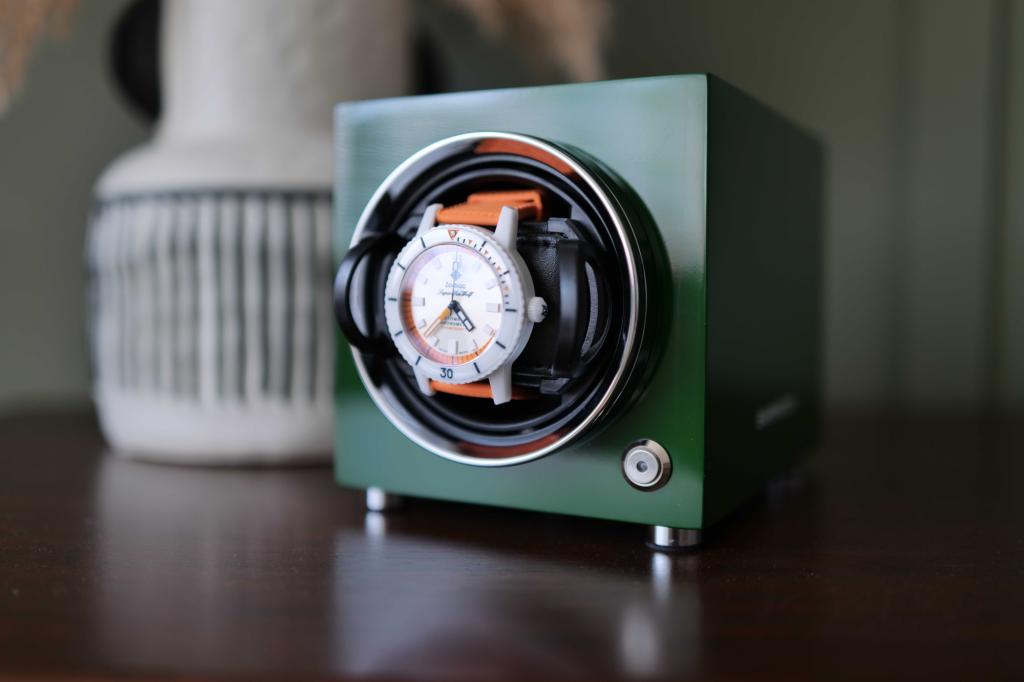
4. They look the part in a boardroom
This is a point I’m not 100-percent behind, but I’ve seen it mentioned a lot on forums so I think it’s worth repeating. A mechanical watch on your wrist does a lot of the talking before you’ve said a word. It signals that you’re someone who pays attention to detail, is professional, serious and put together.
It’s the same logic as a well-cut suit or a proper pair of shoes.
5. They can be passed down through generations
In a similar vein to previous points, technology becomes e-waste the day Apple/Google/Samsung et al. stops supporting it. A well-made mechanical watch is built to be serviced, not replaced.
That’s what makes watches heirlooms. Three generations from now, your great-grandchild could be winding the same watch you’re wearing today.
Patek Philippe’s famous advertising slogan, “You never actually own a Patek Philippe. You merely look after it for the next generation” may be saccharin, but I think there is a lot of truth in it too.
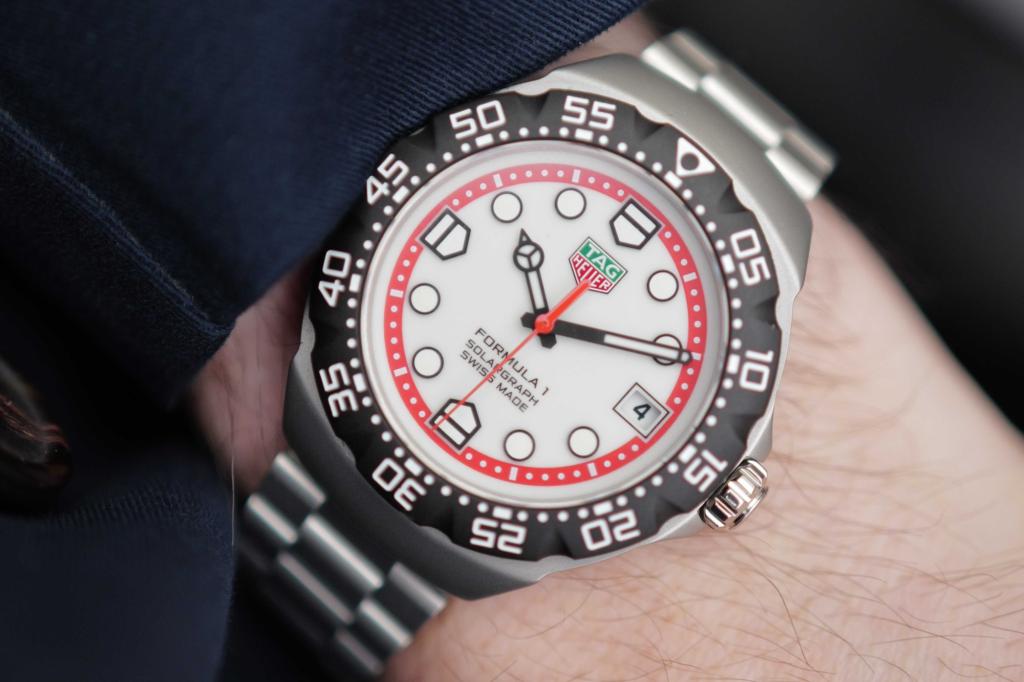
6. They’re a small act of resistance against the algorithm
We’re living through an AI age where more and more of what we touch is generated, automated or optimised by software. A mechanical watch is the opposite of that.
Watches are assembled by hand, regulated by a human, and perfectly polished by a master of their craft. I think that counts for something in 2026.
7. They don’t demand anything from you
Smartwatches add to digital fatigue. They bombard you with notifications, require updates, and regular charging can be a daily annoyance.
A mechanical watch frees you from all of that. Just wind it (or let an automatic movement do the work), and off you go. That’s a true luxury in 2026, no matter how much your watch costs.
Liked this? How I track sleep and fitness while still being a mechanical watch enthusiast

