






I have a Lego problem. This is not new to anyone who’s seen my office shelves, groaning under the weight of plastic bricks. Or, for that matter, my guilt pile of unopened boxes judging me from every corner. And some of those boxes are Lego Collectable Minifigures (CMFs) – now, terrifyingly, on Series 29. They’re sold in blind boxes, but I know what’s inside them – and I don’t even have X-ray vision.
For the record, I abhor blind boxes, which are increasingly prevalent. They’re great for toy companies, who make more money. They work for scalpers, who’ll crack open boxes and flip the good stuff at a markup. But you, clutching your duplicate disappointment, upset at the sheer unfairness of it all? Not so much. Which is why you need an iPhone and Android Lego Collectable Minifigure scanner app.
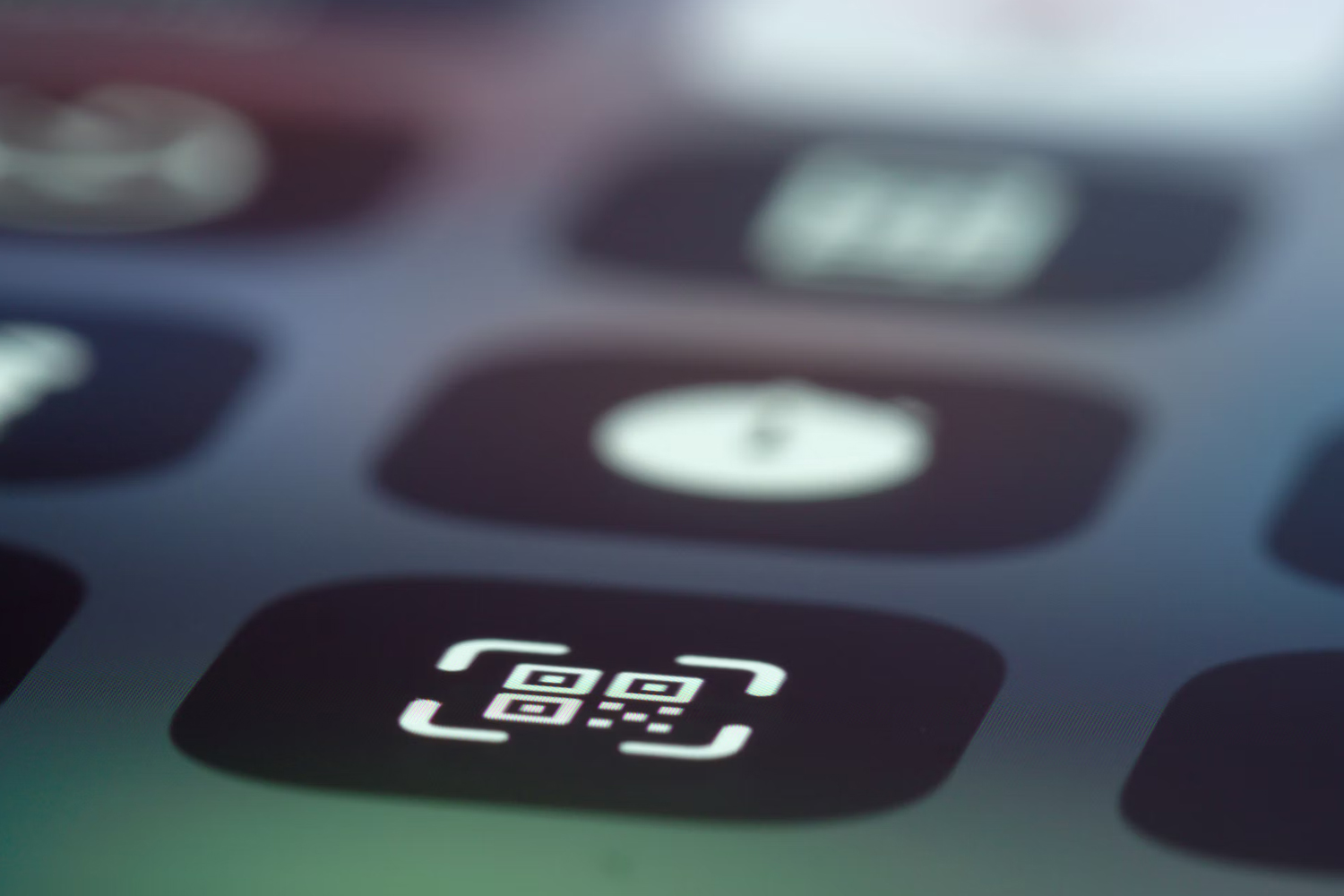
That you can peer inside blind-boxed Lego with a minifig scanner isn’t news, note – Lego added QR codes to CMF boxes a couple of years ago. On their own, they’re meaningless unless you can commit a spreadsheet of numbers to memory. But paired with a scanning app, you can beat this ridiculous blind-box charade and actually know what you’re buying. Imagine!
Lego of duplicates

So why write about this now? Two reasons. First, Series 29 just arrived, which makes it timely. Secondly, every time I’m in a toy shop, diligently working my way through a teetering pile of CMFs, someone asks what I’m doing. Minifig scanners, it seems, still aren’t widely known. But the second I show how one works, there’ll be a happy Lego fan (or relieved parent of a Lego fan) downloading one on the spot, and they’ll never buy a duplicate again. And neither should you.
The specific app I recommend is the suitably named Minifig Scan for iPhone and Android. Point it at a small stack of boxes and it’ll show you exactly what’s inside them. The app can also track your minifig collection. And, unlike most apps in this space, Minifig Scan isn’t saddled with a hideous subscription. In fact, it’s free – although you can tip the dev with a one-off IAP if you wish.
I’m not promising perfection. Perhaps one day Lego will change the codes, or the app will break, and the universe will laugh menacingly while reasserting its commitment to plastic chaos. To date, though, I’ve found it 100% reliable. And if I’m going to spend loads of cash on heaps of new Lego, I’d rather not simultaneously add to my eBay pile – or end up with an army of identical plastic weirdos.