





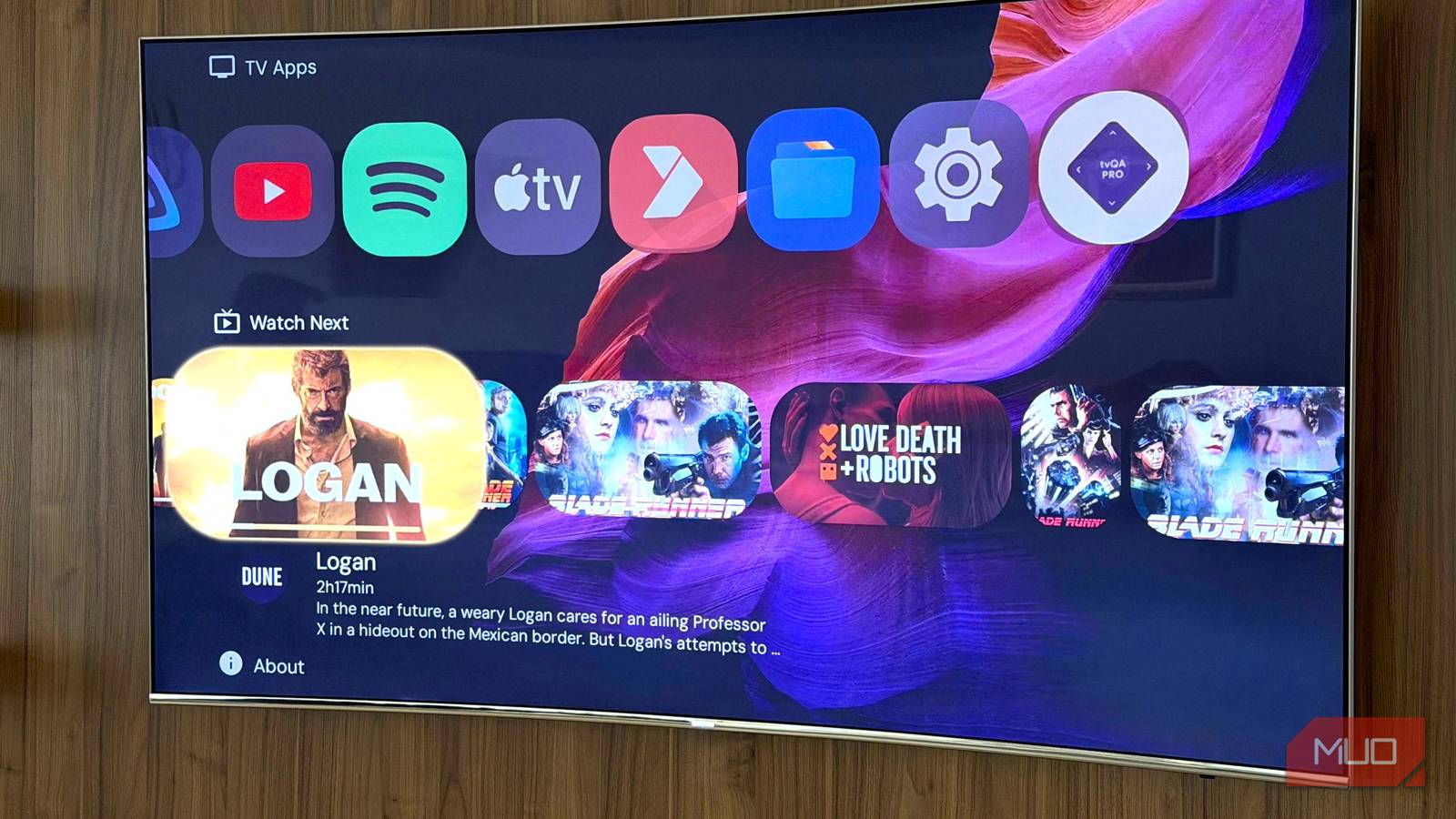
Whether you’re using your TV to watch shows, movies, or for gaming, you want one that’s going to suit your needs properly. You likely did a lot of research into what TV you wanted or needed for your main purposes before you bought it. You’d be silly not to, considering it’s going in your home and you’re going to be spending a good amount of time looking at it.
While buying a TV online can be easy, if you really want to make sure your purchase is exactly what you want, you should go to a store to look at it in person. This may not be feasible for some people, but for those who can get a look at their TV options, it’s worth doing a few things before you pull your credit card out. One of them takes only a few seconds and you can do it with your smartphone while you’re in the store.
What Is the Difference Between QLED, OLED, and UHD? Which Is Best?
If you’re buying a new TV, you’ll want to know the difference between these different types of display technologies.
Purchasing a TV in person could be the right move
If you can swing it, it’ll be beneficial

Odds are high that you’re purchasing a smart TV in this day and age. It doesn’t make much sense to buy a dumb TV, since you’re likely to use it for streaming and then would require a streaming device. Additionally, any new TV will have smart capabilities, meaning it’s extremely likely you’re only going to be shopping for smart TVs.
If you want to capitalize on a massive deal on Prime Day or Black Friday, I’m not going to tell you not to. You should always prioritize price if you can. If there’s a huge savings, snatch it up before it’s too late.
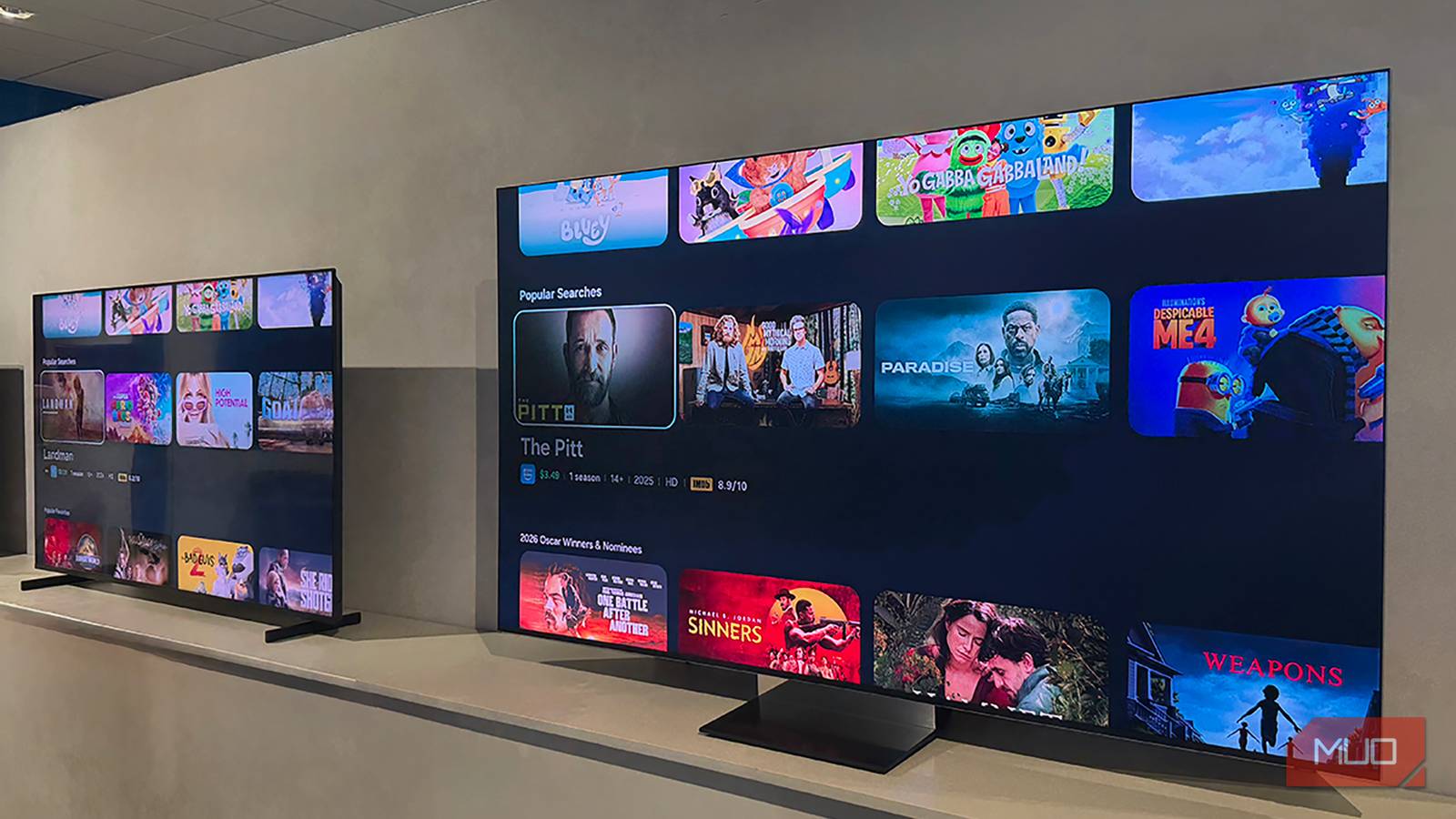
But, if you do have the time and ability to go look at some TVs in person, you can learn a lot about the TV itself if it’s out in the wild. For instance, while you can measure out the area that you want to put your TV in, seeing it in person really does give you a better idea of the size, especially the depth, which is harder to quantify with just measurements.
This is particularly important for anyone who is thinking of putting their TV on a stand, rather than mounting it. You want to know how much room you’re going to have around your TV and it can be easier to judge if you see it in person.
There are technical aspects that you’re going to want to look at as well, which can’t be judged by reading the product descriptions online. You need to be in front of the TV to see these specific ones, starting with a basic aspect.
You’re going to want to see how much glare affects the TV
Just use your smartphone’s flashlight
I bought a Samsung The Frame TV a few years ago and have been extremely happy with it. Part of the reason is that I knew it had a matte, anti-glare coating before I bought it, as I’d gone to my local Costco and looked at it firsthand.
You almost certainly know what space in your home the TV is going to go in. This means that you can do some reconnaissance ahead of time and look at how much sunlight occurs in that room. This may help you choose between a QLED, Mini-LED, or OLED TV, if those are options that you’re considering.
Mini-LED TVs are great for bright rooms because they offer peak brightness and light output that is superior to other kinds. However, they are more expensive than these other options. OLED TVs offer good contrast, but generally not as strong in bright rooms as QLED TVs are. If you want the better option that won’t cost as much as a Mini-LED but will be better than both OLED and QLED TVs, opt for QNED TVs with their superb contrast.
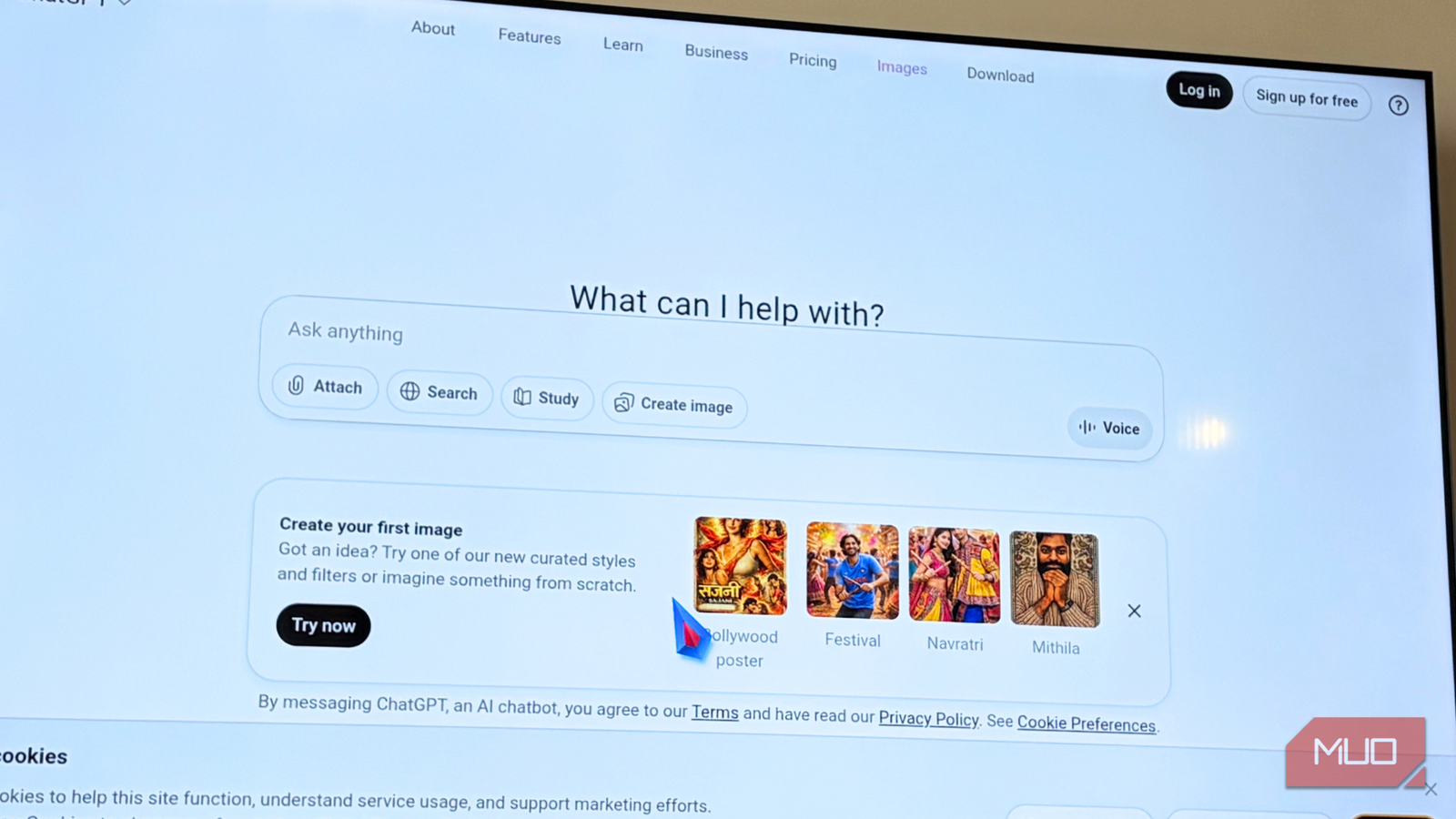
Regardless of what TV you want to go with, you should bring your cellphone with you to the store and shine your flashlight on the screen. While stores tend to have bright lighting, this will give you a good look at how reflective the TV is under direct light. The more you move around the TV, the better you’ll see what the reflection looks like at different times. Normally, TVs are on when they’re in the store, so you can see what it looks like with content on the screen and the panels or pixels working and illuminated.
More TV features you can see in person
Get a good view of the angles

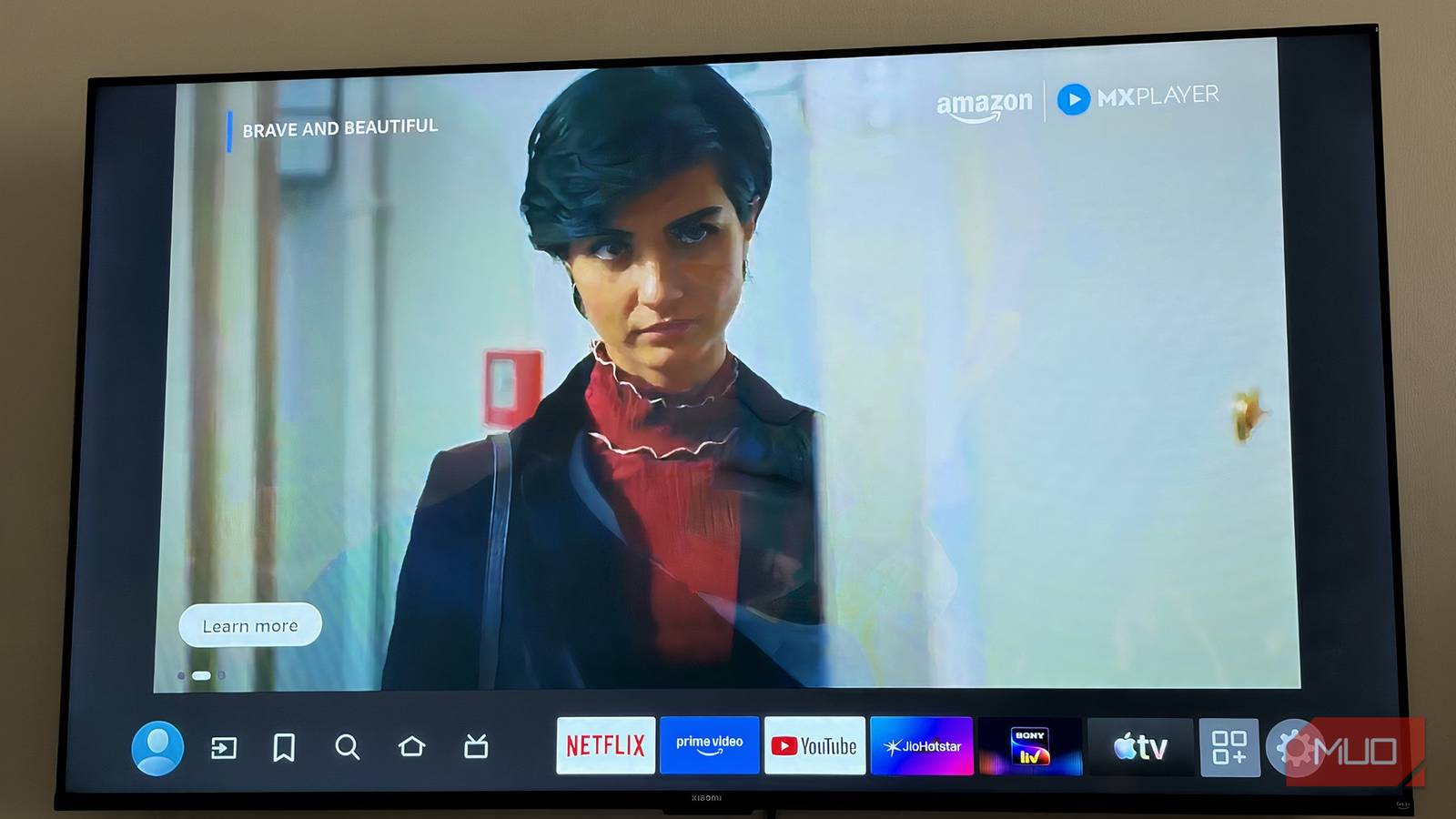
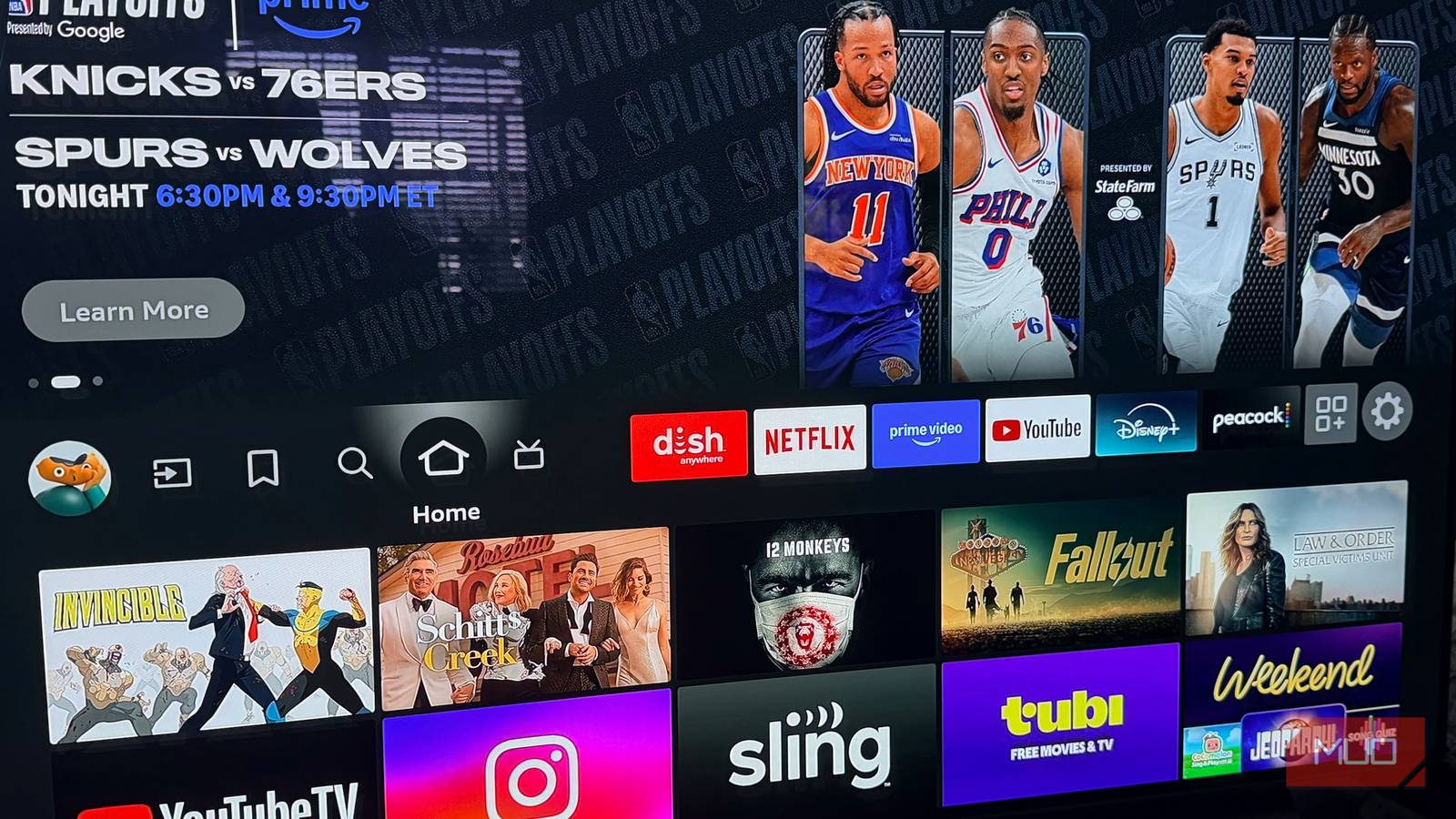
As you can see above, the glare can be serious during the day on a TV. So, it’s better to understand what that can look like when you see it in person. If it’s particularly bad and looks washed out, it may dissuade you from purchasing it.
Another thing you can look at is the viewing angles of the TV. OLED panels do a good job of offering a wide viewing angle. So do QNED TVs, as they have in-plane switching panels, which deliver a consistent experience, no matter where you’re standing in the room. On the contrary, QLED panels are VA panels which narrow the viewing spectrum, making side angles look more washed out.
There are technical aspects that you’re going to want to look at as well, which can’t be judged by reading the product descriptions online.
As is the case with a lot of the features, Mini-LED TVs have improved on features from other QLED TVs. They frequently have advanced coatings that improve the viewing angles. Even though they are still not as good for wide angle viewing as QNED or OLED TVs are. If you’re considering putting your TV in a large room where people are going to be looking at it from all around the room, you want something that will look good from multiple angles.
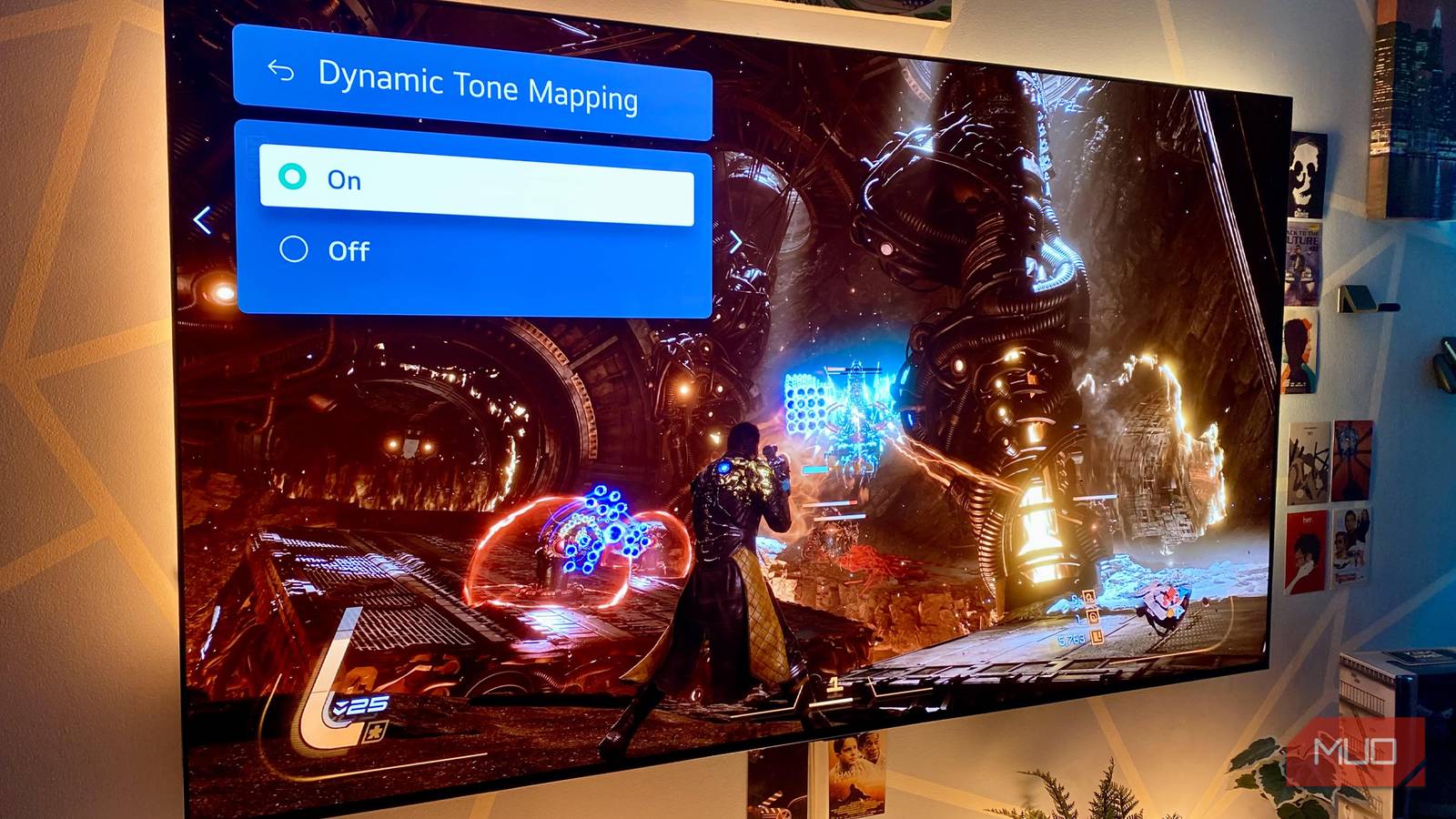
It should be noted that, while you’re in the store, the TV is likely going to be set to a bright contrast setting that you might not use in your home. Features like Dynamic Mode can make the colors the brightest and sharpest. While you may use this at home on occasion, it’s probably not the mode you’re going to use all the time. You can develop eye fatigue from looking at colors that are bright for extended periods of time and you can also stare at inaccurate colors that can come off distorted for some content.
Go see a TV in person before you buy it
If you’re in the market for a new TV, it might behoove you to go check your options out in person prior to purchasing one. This way, you can look at the reflections and glare of the screen. You can check out the features and also look at the viewing angles. It gives you a better look at what you could be bringing home and how big and deep the TV actually is. Doing this can prevent you from having to make a return.