






There are a lot of big TV shows that depict what the world will be like after the end of civilization, and it’s usually pretty rough. The Walking Dead tortured its characters for 11 straight seasons and is still at it in spinoffs. In Fallout, characters live in the post-apocalyptic wasteland, which is about as cheery as it sounds. And HBO gave us its own vision of the grittiness at the end of the world with The Last of Us, which had diminishing returns in its second season.
But HBO gave us an even better post-apocalyptic limited series a couple years prior: Station Eleven set a high watermark for post-apocalyptic sci-fi the network still has yet to clear.
Station Eleven, where the apocalypse isn’t so bad
Science, fiction, and art
Station Eleven begins like many post-apocalyptic shows before it: there’s a virus spreading throughout the world, and it’s no ordinary bug. This virus ends up killing around 99% of the world’s population, which means the world has to start from zero.
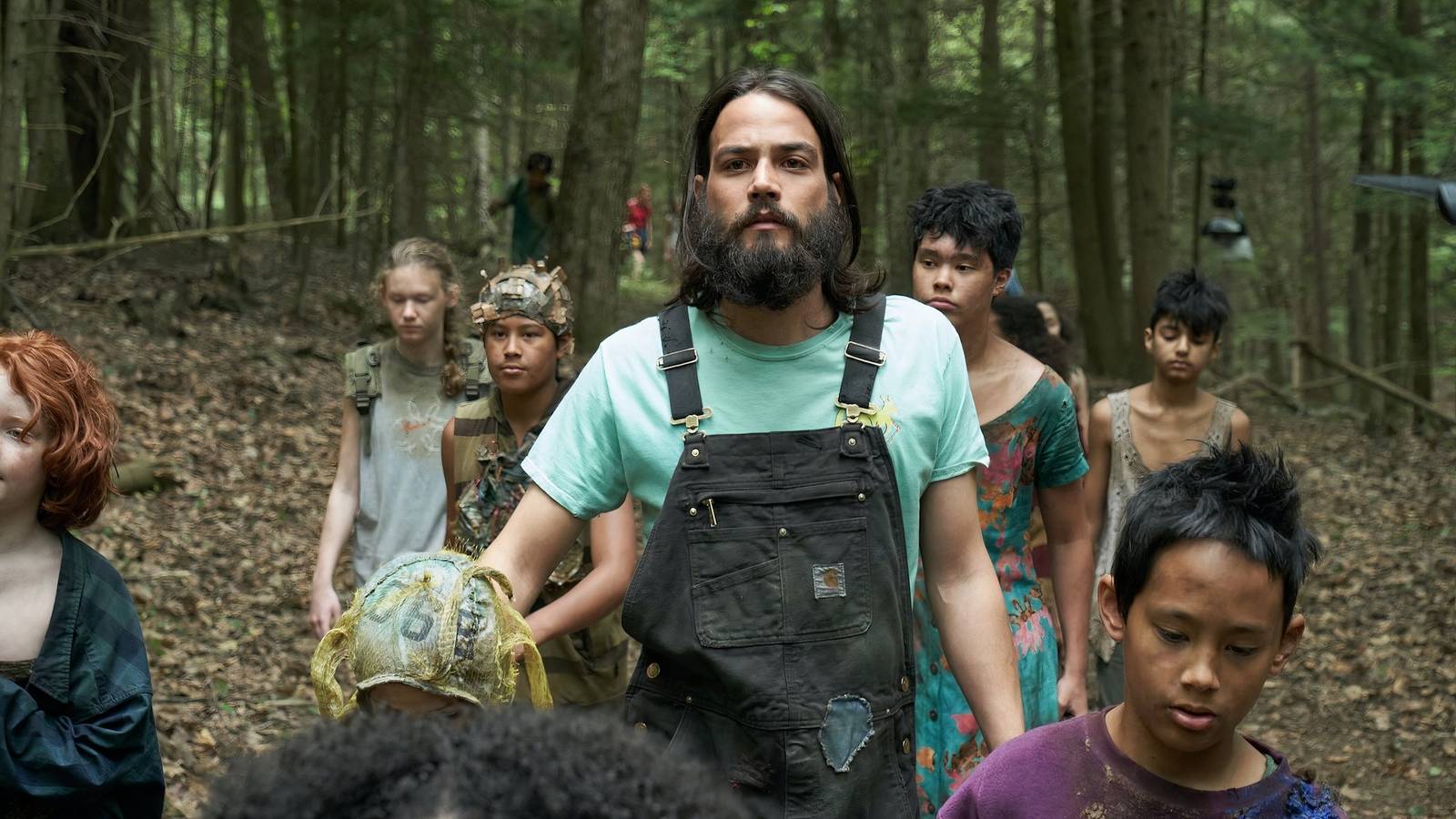
In these kinds of stories, usually that means barricades and military curfews. It means roving groups of raiders and violent scraps over resources. There is some of that kind of thing in Station Eleven, but by and large the show takes a lower-key approach. Although the story jumps around in time to show us things that happened before and during the pandemic, a good chunk of it is set some 20 years after, when the world has settled into a new normal. We spend a lot of time with Kirsten (Mackenzie Davis), a child actor who was performing a play in Chicago when the pandemic hit. As one of the lucky few who survived, she’s now the star actress in a traveling theater troupe that performs Shakespeare plays for people who live around Lake Michigan.
The arts are resurgent in Station Eleven, as people look for meaning and connection in a world that’s a lot more dangerous and wondrous than the one they lived in before. That theme runs throughout the show. The title of the show refers to a comic book called Station Eleven, which Kirsten was obsessed with as a child trying to survive the collapse of civilization. In a stressful situation like that, art can be a boon. The show asks: at what point is survival not enough? When do you need more? And it answers: pretty much immediately. Station Eleven uses a sci-fi virus to tell a story about the redemptive power of art.
Even the aesthetic reflects this. While a show like The Walking Dead is bathed in browns and greys, the world of Station Eleven looks vibrant and colorful. It imagines a post-apocalyptic landscape that isn’t necessarily worse than what came before, just different.
Station Eleven tells its story in a unique way
Pay attention or be confused
Station Eleven is also notable for how it tells its story, piecing itself together like a puzzle over the course of 10 episodes. We start in Chicago, where a famous actor named Arthur Leander (Gael García Bernal) dies of a heart attack on stage just as the pandemic starts to spread. A young Kirsten was in the same play. Her parents die in the pandemic, and she ends i[ getting taken in by an audience member named Jeevan (Himesh Patel).
A little before this, Arthur’s first wife, Miranda (Danielle Deadwyler), actually writes the Station Eleven comic book, a copy of which finds its way into the hands of Arthur’s son by his second wife, Elizabeth (Caitlin FitzGerald). After the pandemic begins, both of them end up living in an airport that Arthur’s friend Clark (David Wilmot) turns into an enclave for survivors, making sure standards of living are maintained through the observance of strict rules. And Arthur’s son, Tyler, grows to cross paths with another of our main characters, although I don’t want to spoil everything.
The show frequently switches back and forth between these different timelines and sets of characters. That might sound annoying, but there’s a method to the madness, and it all comes together beautifully by the end. Station Eleven is more or less easy to figure out so long as you’re paying attention, but it’s not the kind of show you’re likely to keep up with if you’re also scrolling on your phone. That will repel some types of viewers and attract others. You likely know which you are.
Station Eleven is bingeable
But just barely
Each of Station Eleven’s 10 episodes is about 50 minutes long, which means it’s short enough to join the ranks of those great HBO Max series you can technically finish in one night…but it’ll be a long night. You’ll likely be better off spacing out episodes of Station Eleven at least a little bit, absorbing it over the course of a weekend or a week rather than a day.
And if you really love it, you can always read the original Station Eleven book by Emily St. John Mandel, which came out in 2014. The show aired in 2021, which just happened to be when we were in the throes of an actual worldwide pandemic. But work on the show started earlier, so it looks like that was just a strange coincidence.
6 detective shows sharper, stranger, and better than Sherlock
Sherlock is a fun show, but these detective series make it look like it’s playing cops and robbers.
Further watching
Station Eleven is technically sci-fi, but it’s really more concerned with the human element. If you want harder sci-fi, you might want to look at a different streaming service. I recommend Apple TV+, which is quickly becoming the unofficial home for science fiction TV. It’s got mind-bending sci-fi dramas, hilarious sci-fi comedies, and the best sci-fi show on TV that no one is watching.

- Release Date
-
2021 – 2022-00-00
- Network
-
HBO Max
- Directors
-
Hiro Murai, Helen Shaver, Jeremy Podeswa, Lucy Tcherniak
- Writers
-
Sarah McCarron, Kim Steele, Cord Jefferson