




The default settings on your TV are often configured in a way so you can get started straight away. But that doesn’t mean you should stick with those settings blindly. Many of them are set so that your TV looks eye-catching on a showroom floor, uses less energy, and pushes featured content.
All of this means you’re not getting the best possible experience. With a few quick tweaks, though, you can get better picture quality, faster loading speeds, and a smoother navigation experience overall.
Motion smoothing
It’s not as helpful as it sounds
Motion smoothing goes by many different names, like Motion Plus, TruMotion, MotionFlow, or Auto Motion. Whatever your TV calls it, the idea is the same. This feature allows your TV to create extra frames to make everything look “smoother.”
Most films you see in theaters are shot at 24 FPS, while modern TVs refresh at 60 or even 120 times per second. Motion smoothing fills in the gaps by creating extra frames and inserting them between real ones.
The thing is, this feature isn’t perfect and can end up making your TV looking blurry. This feature is the reason why you might sometimes encounter that “soap opera effect” while watching a movie. That’s why turning off motion smoothing is the very first thing I do on every TV I use.
Energy-saver mode
Saving power can cost you picture quality
Energy-saving mode sounds like an easy win. It reduces your electricity bill and is also better for the environment. The problem is what this mode does to the picture. For instance, it automatically reduces brightness to lower power consumption. As you can imagine, this can cause dark scenes to lose detail, colors to look washed out, and highlights to appear dull.
On some TVs, the energy-saver mode also affects performance. It can introduce a variable refresh rate, which can cause your games to look less smooth. Of course, this isn’t something you’d want after spending good money on a TV.
And if you’re still not convinced, here’s the kicker. The money you save by actually keeping this mode on isn’t huge. If you only watch TV for an hour or two a day, the difference in your electricity bill is barely noticeable. We’re talking about pocket change here.
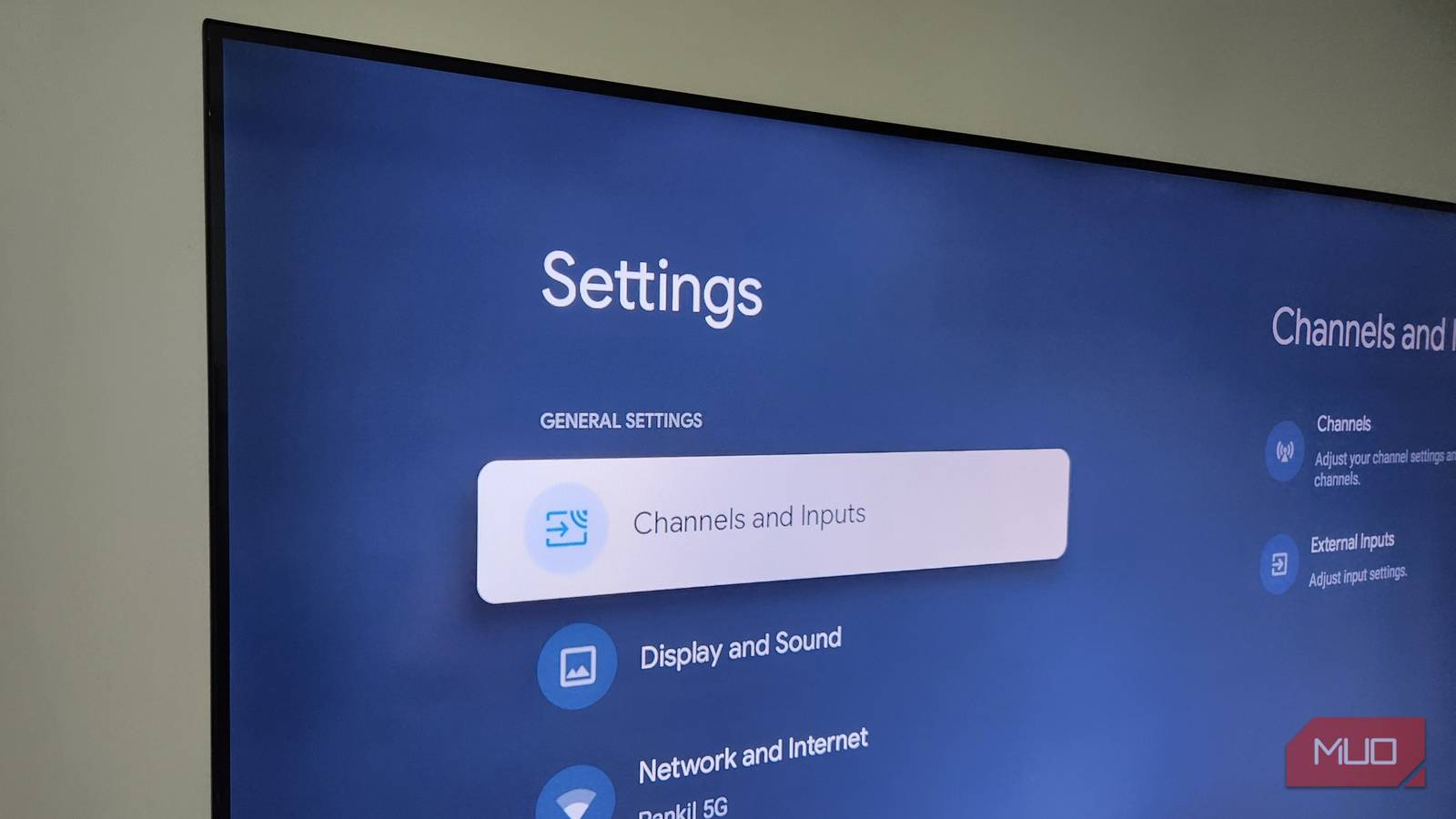
To turn off energy saver mode, you’ll need to head to the General, Advanced, or System menu on your TV. From there, look for an option labeled Eco Mode or Energy Dashboard and turn it off.
Change the DNS settings
Enjoy faster loading times

By default, your TV uses your internet provider’s DNS. That works, but it’s often slower and less reliable.
DNS is basically the internet’s address book. Every time you open Netflix, YouTube, or any streaming app, your TV has to look up where that service lives online. DNS helps with that. But if your ISP-provided DNS is slow or overloaded, it can cause longer loading times and those occasional “can’t connect” errors.
Most people never notice this. When an app keeps buffering or refuses to load, they end up blaming the TV. In reality, it’s often just the DNS taking the long route.
Switching to a faster DNS, such as Google DNS or Cloudflare, can fix this. You can do this by opening your TV’s network or advanced internet settings. Look for something like DNS or IP settings and set it to Manual. It’s a small tweak, but it can improve your streaming experience like no other.
Tweak animation scale
Cutting the eye candy for better performance

You may not have realized it, but your smart TV is full of little animations. Every time you open an app, click an option, or scroll through menus, subtle transitions play in the background to make everything feel smoother.
The problem is that, unlike your phone or a PC, most smart TVs don’t have powerful hardware. As you install more apps and the storage fills up, your TV has to work harder to keep up. Over time, those same animations go from feeling smooth to becoming frustrating. Menus lag, apps take longer to open, and even simple actions feel delayed because your TV is busy playing visual effects. And, of course, all of this gets worse as your TV gets older.
Fortunately, there’s an easy fix for this. You simply need to unlock the developer options menu on your TV and scale the animations down, or better yet, turn them off entirely. It’s a simple tweak that can make navigating your TV feel much faster and enjoyable.

TV speakers aren’t good, but this app makes them noticeably better
Make your TV speakers better before you get a soundbar or home theater system.
Turn off autoplay
Browse in peace

Autoplay is one of those features that seems convenient at first but can become annoying really fast. You turn on your TV or start browsing for something to watch, and before you have even made a choice, a trailer or preview suddenly starts blasting from the screen.
What’s worse is that most TVs and streaming platforms often use autoplay to push sponsored recommendations, which means you’re basically tolerating ads. Disabling autoplay makes your home screen feel calmer and easier to navigate.
When it comes to TVs, most people never bother changing any of the default settings, assuming they’re fine as they are. In reality, many of them are anything but. Once you’ve tweaked these basics, make sure to explore other important options too, such as picture mode, audio options, and game mode. With a bit of fine-tuning, you can tailor your TV for the best viewing experience.