






I’ve been a Samsung Frame TV believer for a while now. The 55-inch Frame TV in my main home office serves as my primary display, and there’s a 32-inch model above the desk in our basement guest bedroom. So when we needed a bigger TV for that same room, buying another Samsung felt like the safe choice.
Then I spotted the Hisense 65-inch CanvasTV and decided to take a chance on something different. After living with both brands, I’m genuinely surprised by how much Hisense gets right.
Our basement guest bedroom doubles as a flex office, which is why there’s already a desk with the 32-inch Frame mounted above it. We finished the room about a year ago, but left it pretty bare—just the bed and desk setup. We felt bad making overnight guests deal with empty walls and zero storage, so the upgrade list included a closet system, dresser, nightstands, and a TV for the main wall.
The Frame TV has real competition now
Why I even considered switching brands
Samsung was the sole player in the art TV category for years—and I’ve had the two above since 2023/24. Other manufacturers tried copying the concept, but nothing came close until recently. TCL launched its NXTFRAME, and Hisense entered with the CanvasTV. Both look promising on paper.
My 55-inch Frame replaced a mess of multiple monitors in my home office, and that setup still works great for daily productivity. But I wanted to see what else was available before automatically buying another Samsung. The Hisense had strong reviews, matched Samsung’s pricing exactly, and gave me an excuse to try Google TV after years of using Roku and Fire TV devices.
The basement guest bedroom didn’t need anything fancy—just a good-looking display that could stream shows and disappear into the wall when not in use.
Mounting the CanvasTV took half the time
One bracket beats two every time
Getting my Frame TV onto the wall involved two separate brackets that needed precise alignment. Samsung includes a paper template, which helps, but you’re constantly checking that the paper isn’t crooked or folded somewhere. Mess up the spacing between those two brackets, and the TV won’t sit flush or attach to the brackets at all.
The CanvasTV uses a single wall bracket. Centering it where I wanted the TV took maybe thirty seconds. I put a level on top, marked the holes with a pencil, and started drilling. It felt too simple after what I went through mounting the Frame.
You might not need the One Connect box
Simpler setups benefit from fewer components
Samsung’s One Connect box has legitimate advantages for certain setups. In my home office, I ran that thin cable through the wall and tucked the box inside a cabinet, which keeps all my inputs hidden away. That approach works well when you’re connecting gaming consoles, a computer, and audio equipment. But the basement guest bedroom didn’t need any of that complexity.
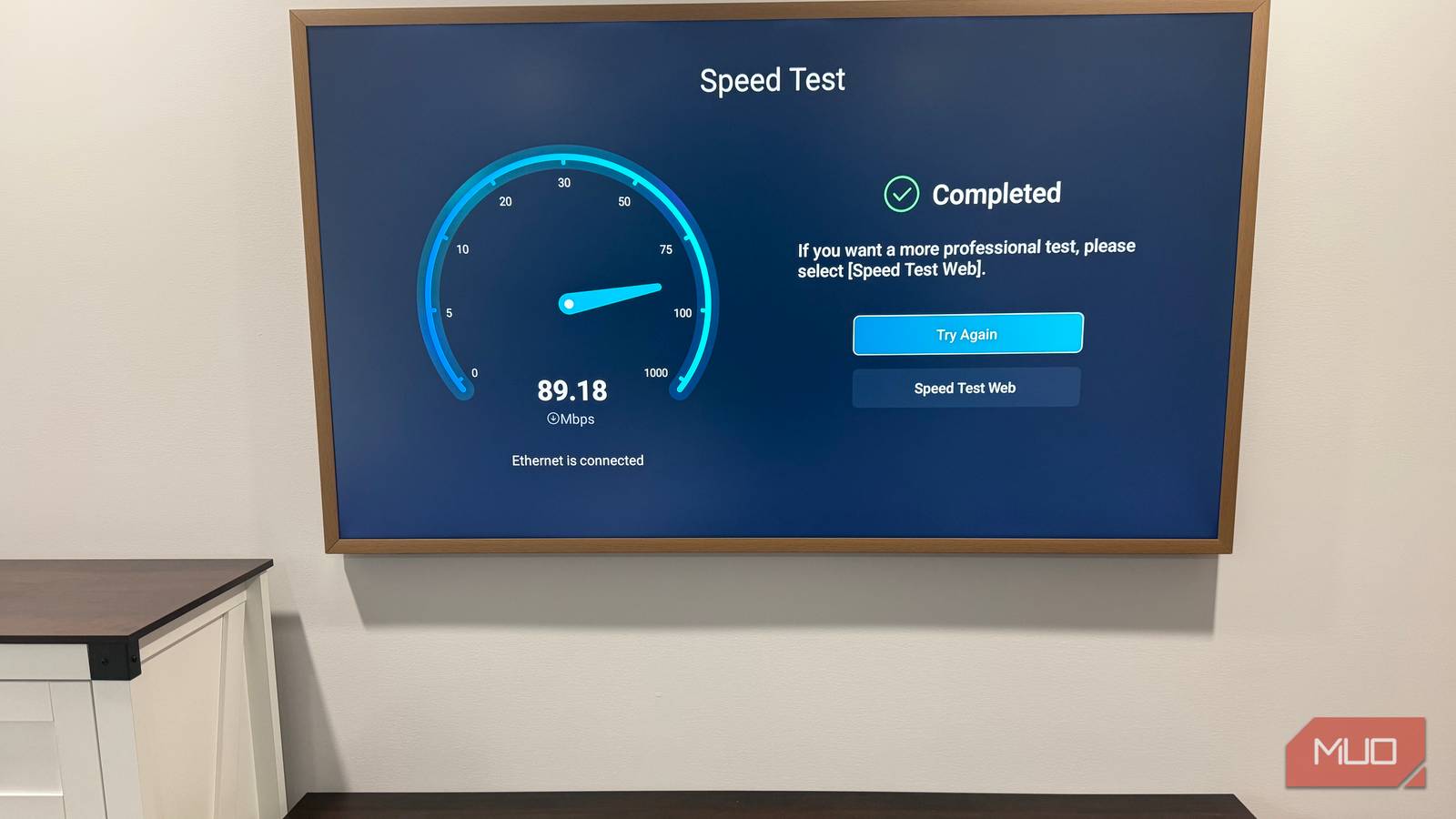
When finishing the basement, we thought ahead and installed a Legrand recessed cable management enclosure with HDMI pre-wired through the wall. I’ve used similar solutions throughout the house to keep cables from becoming eyesores. The CanvasTV has grooved cable tracks along its back panel, so I just routed two HDMI cables, an Ethernet connection, and the power cord straight into the Legrand box. It’s clean and simple, with no separate components to hide.
Picture quality and art mode deliver
The specs that matter for daily use

Under the hood, you get a 4K QLED panel with Quantum Dot and Dolby Vision HDR. What caught my attention was the hi-matte coating Hisense uses—it kills reflections, so ceiling lights don’t create those annoying bright spots when you’re trying to display artwork.
Art mode looks convincingly like a real painting. The matte finish gives displayed images actual texture and depth—you genuinely can’t tell it’s a screen unless the room goes completely dark. Samsung’s Art Mode set the standard here, and the CanvasTV matches it. Both TVs fool guests until someone grabs the remote.
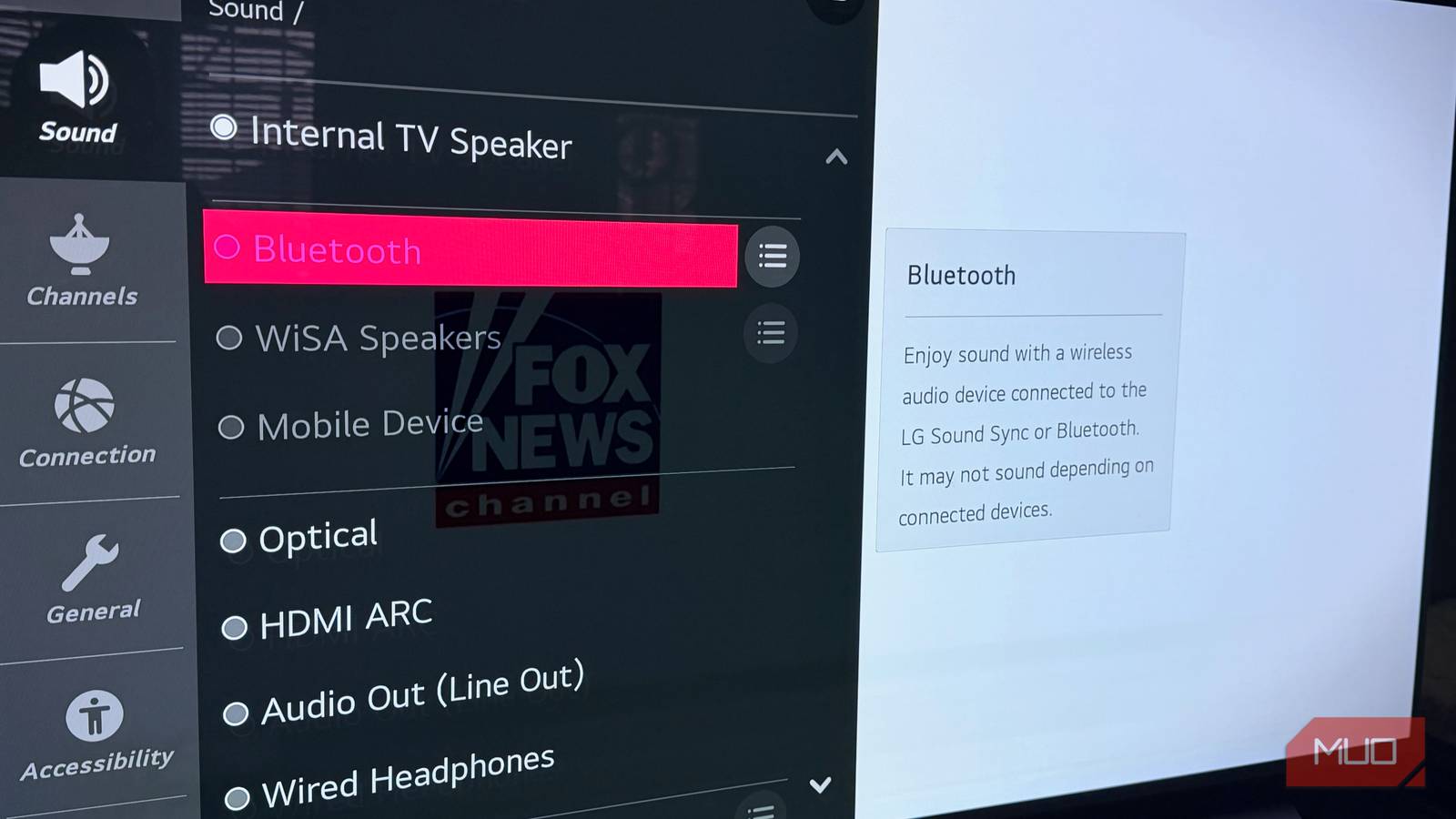
Streaming apps launch quickly, and navigating menus feels responsive. I didn’t break out a stopwatch or anything, but Google TV feels quicker than my Roku and Fire TVs. The specs list 144Hz refresh with VRR between 48Hz and 144Hz, which gamers should appreciate—I haven’t put it through its paces yet. Built-in sound through the 2.0.2 surround system fills the room better than I expected from TV speakers.
The CanvasTV isn’t perfect
The downsides to consider

Here’s where I foolishly thought I could do it all myself. The 65-inch CanvasTV weighs enough that I assumed wrong about handling it solo. My mounting height sits around five feet up the wall, and I figured I could lift the TV myself and line up the bracket on my own.
However, it’s nearly impossible to line the brackets up without seeing them. Three failed attempts later, with genuine concern about dropping and breaking the unit, I called my wife for backup. We each took an edge, lifted together, and could actually see both brackets’ alignment (from the sides) while positioning the set. The TV went up in seconds once I stopped being stubborn. If you’re mounting anything 55 inches or larger, get a second person from the start.
The CanvasTV also runs slightly thicker than my 55-inch Frame. You won’t notice without measuring, and it still looks great on the wall, but flush-mount perfectionists should know going in. Samsung might offer more frame color options too, though Hisense includes teak with white and walnut available separately.
Skip the Samsung tax on your next art TV
The CanvasTV earned its spot in our basement guest bedroom, and I’d recommend it without hesitation to anyone shopping in this category. It’s the same price as the equivalent Frame, has easier installation, and the picture quality holds up next to Samsung’s best.
If your setup involves lots of inputs and you want the One Connect box to route everything through a single thin cable, the Frame is still the better choice. That flexibility solved my home office monitor situation, and I’m not replacing it.
But for a bedroom, living room, or any space where you need streaming and art mode (and you have space to put a cable management box recessed in the wall behind it), the Hisense delivers Frame-level aesthetics without the extra installation hassle. Samsung doesn’t own this category anymore.